Health & Wellness: water, air and occupancy, documented continuously
Hot-water temperature, air quality, occupancy and energy in clinics, care homes, practices, gyms and spas, recorded and documented automatically. Evidence without the walk-round.

What goes wrong quietly.
Hot water below 55 °C, discovered at the sampling
Legionella prevention lives on a return temperature nobody watches between the quarterly samples. A circulation pump that fails on Friday night is found on Monday, and the log is a clipboard.
Air that tires patients and members
CO₂ passes 1,200 ppm in the group-fitness room by the second class and in the treatment room by early afternoon. Staff notice the headaches; the ventilation runs on a timer.
Zones that are full, and nobody knows
The free-weights area at 18:00, the pool on Sunday morning, the waiting room at 09:00: capacity is a feeling, cleaning and staffing follow the roster instead of the people, and the sauna heats for a room that is empty.
Where the sensors sit.
Every dot is a sensor family in its typical place. Select one to see what it measures and what baiond does with it.
baiond connects the temperature sensors on the hot-water circuit, the air-quality sensors in the rooms, the people counters at the zones and the energy meters of the pool, sauna and ventilation on one platform. The hot-water log writes itself continuously, the CO₂ in the group room can trigger the ventilation before the third class, and the occupancy of every zone is visible per hour and weekday, anonymously. When a value leaves its range, the technician or the manager on shift gets a message with the reading, the reason and the next step.
-
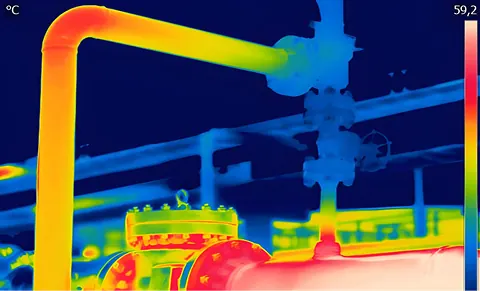
-

-

-

-

-
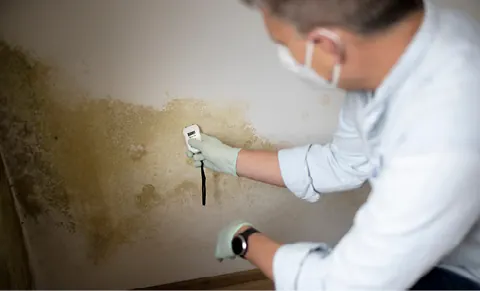


- Sensors
- baiond Gateway
- Space System
- AI Agents
- You
The same site, run differently.
The hot-water return is checked at the quarterly sampling.
Every circuit reports at regular intervals; a drop below 55 °C reaches the technician promptly, not at the next sampling.
The group-fitness room is stuffy by the second class.
CO₂ per room, ventilation that reacts to the reading, not the timer.
Cleaning and staffing follow the roster; the sauna heats for nobody.
Occupancy per zone and hour; the sauna and pool tech follow the people.
In use at and in partnership with


What managers ask before they start.
Can baiond document the hot-water temperature for legionella prevention?
Yes. Pipe temperature sensors on the flow and return of every circuit report at regular intervals. The log is stored continuously with timestamp, and a reading below your threshold, usually 55 °C on the return, sends a message as soon as it arrives.
Is the occupancy of a gym zone or pool measured per person?
No. People counters and presence sensors count, they do not identify. You see how many people are in the free-weights area or the pool per hour, never who; no cameras that record faces, no membership data.
Do we need to close rooms to install the sensors?
No. The sensors are wireless and battery-powered; a treatment room or a training zone is equipped quickly during normal operation. Pipe sensors clamp onto the outside of the pipe.
Who receives the alerts, and how?
You decide per site and topic: the technician for hot water and pool tech, the shift manager for air and occupancy, the operator for energy. Messages arrive by e-mail, push or into a system you already use, with the reading and a recommendation.
Can the ventilation react before the air in a class or treatment room gets stale?
Yes. Air-quality sensors measure CO₂ per room. When it climbs towards its limit, baiond can trigger the ventilation, so the group-fitness room is fresh again before the next class instead of running on a timer.
Related industries
Same sensors, same questions, a different floor.
-

-
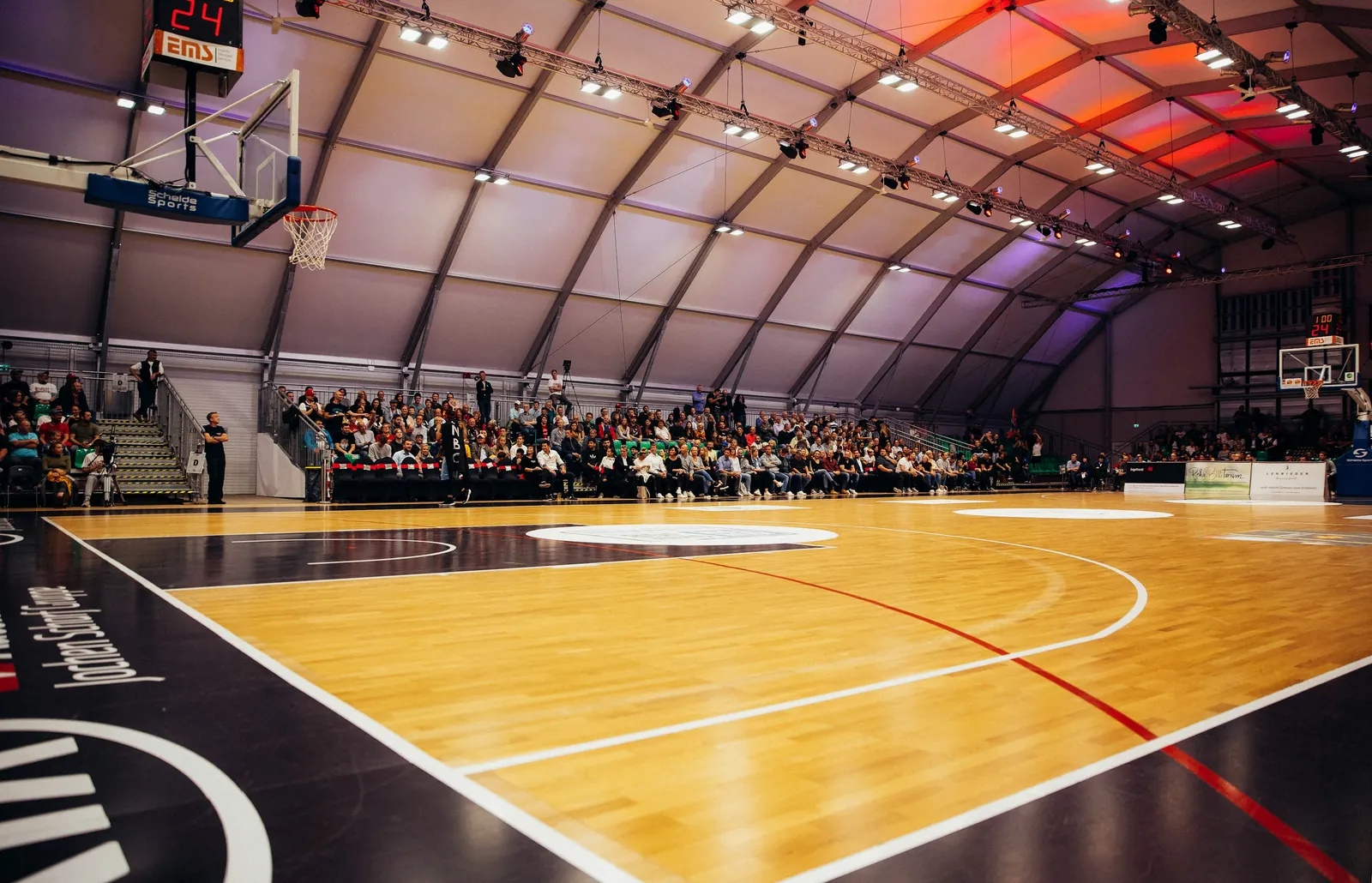
-



Ready to give your data a voice?
Thirty minutes with the baiond team about your site and your questions. No slides.
Request a consultation