Request a consultation
Sensor family

Temperature Sensors: room, cold room, soil, water, asset

Temperature sensors tell you whether a cold room, a pipe, a pitch or a room is where it should be, at regular intervals and without a clipboard round. They pay off wherever a few degrees decide over spoiled goods, frozen pipes or wasted heating.

Temperature
Protocols: LoRaWAN

Temperature is the reading most sites already take, just by hand and too rarely. A wireless sensor in the fish counter, on the heating return or ten centimetres deep in the turf keeps a continuous record of the value. baiond compares it with the threshold you set and tells you when something drifts, not when it is already too late.

The sensors run on battery and send their readings by radio to the baiond Gateway, so in most cases nothing has to be wired or opened up. In a supermarket that means the counter that sits at 5.8 °C instead of 0–2 °C is flagged as soon as the next reading arrives, and the records for your HACCP documentation build up in the meantime.

Variants
8
Industries using it
20
Protocols
LoRaWAN
How the readings travel
Sensor baiond Gateway Your answer
Variants

Every Temperature variant, one platform.

Pick the variant that fits the place. Whatever you choose, the readings arrive in the same platform and answer the same questions.

Ambient air temperature sensor

Ambient air temperature sensor

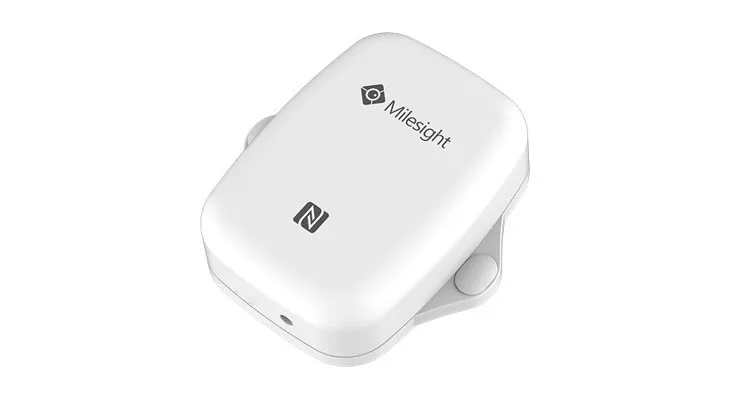
The air temperature in a room, a cold room or outdoors — the reading most questions start with.

Measures the temperature of the surrounding air, indoors or outdoors. It is the basis for comfort, heating and cooling decisions and for every cold-chain log. Paired with a humidity reading it gives the full picture of a room or a site.

Measures
Air temperature in °C
Typical use
Rooms, cold rooms, counters, outdoor areas
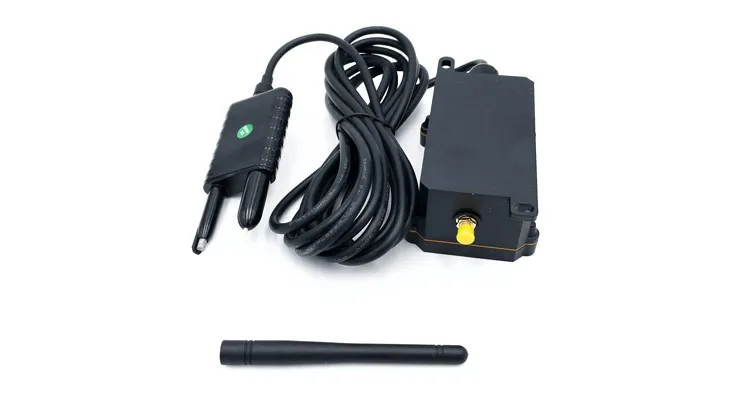
Soil temperature sensor

Soil temperature sensor

Temperature below ground — frost, root growth and turf stress before you can see them.

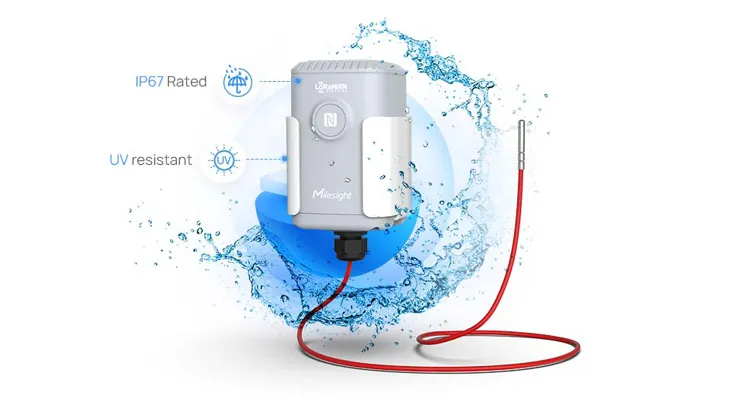
Sits in the ground at one or several depths and reports how warm the soil is. That decides whether seed germinates, roots grow and a pitch can be played or mown. A drop towards zero warns of ground frost; a hot spell shows up as heat stress in the root zone. Built waterproof for years in the ground.

Measures
Soil temperature in °C, by depth
Typical use
Sports turf, golf greens, vineyards, forestry
Surface temperature sensor

Surface temperature sensor

Infrared or contact type

How warm a wall, a roof, a road or a machine actually is — with or without contact.

Measures the temperature of a surface rather than the air in front of it. Infrared versions read from a distance, useful for hot or hard-to-reach surfaces; contact versions sit directly on the material. Typical questions: is the facade cold enough for condensation, is the pavement icing up, is a motor housing running hot.

Measures
Surface temperature in °C
Typical use
Facades, walls, pavements, motors
Water temperature sensor

Water temperature sensor

The temperature of ponds, tanks, irrigation water and pools, submersible for long-term use.

Submersible sensor for ponds, reservoirs, tanks and pools. Water temperature affects oxygen content, water quality and how well plants take up irrigation water. In buildings it shows whether hot-water systems stay in the safe range.

Measures
Water temperature in °C
Typical use
Ponds, tanks, pools, animal enclosures
Pipe temperature sensor

Pipe temperature sensor

Pipe / line sensor

The temperature of the water in a pipe — overheating, freezing risk and uneven heating at a glance.

Attaches to heating or water pipes and reports the temperature of what flows inside. It catches a pipe heading for frost in an unheated stairwell, a heating circuit that never warms up, or a hot-water line below its hygiene limit. Clamp-on models need no opening of the pipe.

Measures
Flow and return temperature in °C
Typical use
Heating circuits, hot-water lines, frost protection
Weather station temperature sensor

Weather station temperature sensor

Integrated

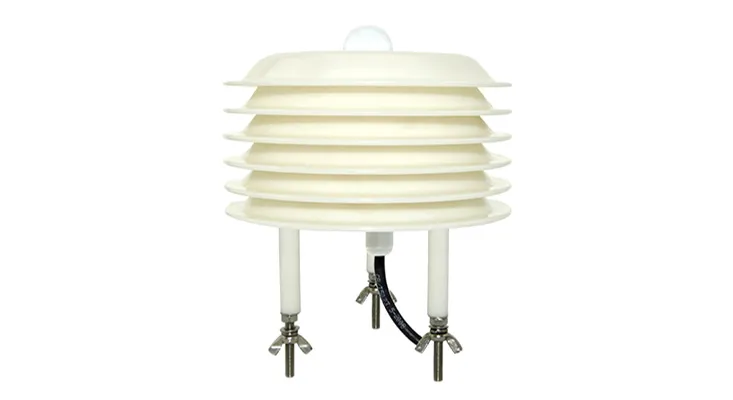
Outdoor temperature as part of a full weather picture with wind, humidity and rain.

Part of a weather station that also records wind, humidity and precipitation. It gives a site its own local weather record over years — the basis for irrigation, frost warnings and for comparing one season with the next.

Measures
Air temperature with wind, humidity, rain
Typical use
Golf courses, vineyards, sports grounds
Thermocouple sensor

Thermocouple sensor

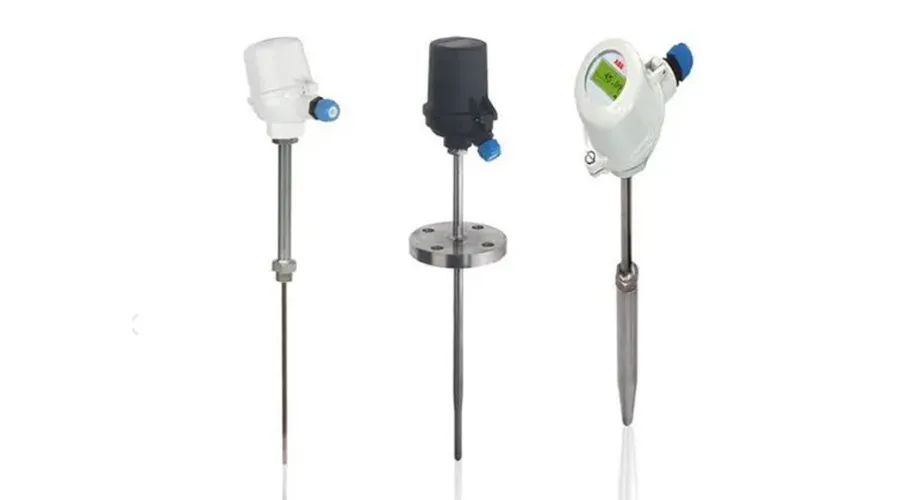
Robust and fast, for very high or very low temperatures in plant rooms and processes.

Turns heat into a small electrical voltage. Thermocouples react quickly and cope with temperatures far outside what a room sensor can handle, which is why they sit in boilers, exhausts, ovens and freezers. Different types (for example K, J, T) cover different ranges.

Measures
Temperature over a wide range
Typical use
Boilers, exhausts, ovens, deep freezers
Thermistor sensor

Thermistor sensor

Precise and compact over a normal range — the workhorse inside HVAC and distributed sensors.

Changes its electrical resistance with temperature and reads small differences precisely. Thermistors are small and inexpensive, so they suit many measuring points spread across a building. They are more delicate than thermocouples and not meant for extreme heat.

Measures
Temperature, high resolution
Typical use
HVAC, cold chain, many measuring points
Under the hood

For technical readers

Every variant at a glance, with the protocols the readings travel on.

Protocols
  • LoRaWAN
Temperature: variants, what they measure, typical use
VariantMeasuresTypical use
Ambient air temperature sensor Air temperature in °C Rooms, cold rooms, counters, outdoor areas
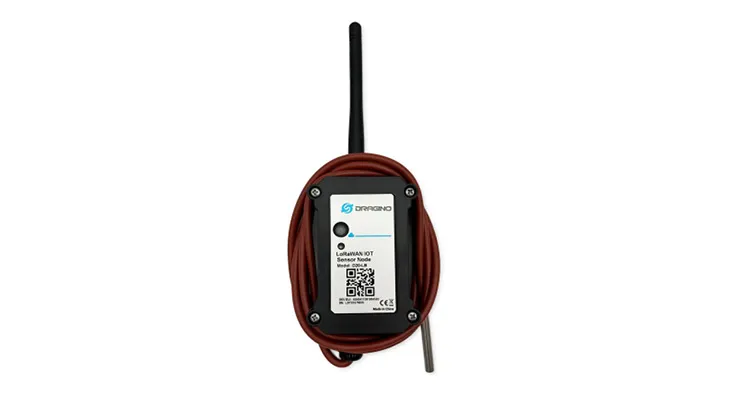
Soil temperature sensor Soil temperature in °C, by depth Sports turf, golf greens, vineyards, forestry
Surface temperature sensor Surface temperature in °C Facades, walls, pavements, motors
Water temperature sensor Water temperature in °C Ponds, tanks, pools, animal enclosures
Pipe temperature sensor Flow and return temperature in °C Heating circuits, hot-water lines, frost protection
Weather station temperature sensor Air temperature with wind, humidity, rain Golf courses, vineyards, sports grounds
Thermocouple sensor Temperature over a wide range Boilers, exhausts, ovens, deep freezers
Thermistor sensor Temperature, high resolution HVAC, cold chain, many measuring points

Data sheets (radio, power supply, protection class) for the variant that fits your site come with the quote. Request data sheets

Ask baiond

Ask what it measures.

A question this sensor answers, the way baiond answers: readings, reasons, a recommendation and the source.

baiond AI Your data. Real answers.
Demo · not connected to live sensorsDemo
Is the temperature in the fish counter within the safe range?
You
Checked Temperature sensor · baiond Gateway · Space System How did baiond know?
  1. Sensor
  2. baiond Gateway
  3. Space System
  4. AI agent

The sensor reports to the baiond Gateway, the Space System puts the reading in context (location, threshold, history), and the AI agent turns it into an answer.

Source: Temperature sensor · baiond Gateway · Space System

  • Current 5.8°C
  • Threshold 0–2°C
  • Deviating 24min

No. The temperature has risen to 5.8 °C, exceeding the defined threshold for fresh fish products (0–2 °C). The deviation has persisted for 24 minutes, increasing the risk of reduced product quality.

baiond AI
Recommendation

Inspect the refrigeration unit immediately and relocate affected products if necessary.

Would you like me to investigate further?

Frequently asked questions

Frequently asked questions

Can a temperature sensor replace the handwritten HACCP log?

It records each counter and cold room continuously and baiond keeps the history, so the record builds up without a clipboard round. Whether it replaces your paper records formally is a question for your food-safety officer; the data is there to show them.

Do the sensors need cables or an electrician?

Usually not. Most sensors are battery-powered and send their readings by radio to the baiond Gateway. They are fixed with a screw, a clamp or adhesive, depending on where they sit.

Who gets told when a temperature is out of range?

You set the threshold per room, counter or pipe, and who should be alerted. baiond reports the deviation and how long it has lasted, and you can ask why it happened.

Which temperature sensor do I need for frost protection?

For pipes, a pipe sensor on the line itself; for turf and plantings, a soil temperature sensor; for roads and paths, a surface sensor. We choose the variant with you based on what you want to protect.

Next step

Which Temperature sensor fits your site?

Tell us the place and the question. We name the variant, the quantity and what it costs.

Request a quote
Ask baiond
baiond AI is typing