Request a consultation
Sensor family

Fill Level Sensors for bins, tanks and waste

Fill level sensors show how full every bin, container and tank is, so you empty them when they are full – not on a fixed route. Add lid, odour, gas and temperature readings and waste areas are easier to keep clean and safe.

Fill Level
Protocols: LoRaWAN

A fixed collection round empties half-full bins at the car park and misses the overflowing one at the trailhead. Fill level sensors turn the round around: each container reports how full it is, and the team drives only where it is needed.

The sensor sits under the lid and measures the distance to the surface by ultrasound or time of flight. The reading reaches the baiond Gateway wirelessly, and baiond tracks how fast each container fills. At a bike park hut, it tells the crew at noon that the bins stand at 84 % and will be full in about an hour and a half – so they are emptied before the afternoon rush, not after the complaints.

Variants
7
Industries using it
3
Protocols
LoRaWAN
How the readings travel
Sensor baiond Gateway Your answer
Variants

Every Fill Level variant, one platform.

Pick the variant that fits the place. Whatever you choose, the readings arrive in the same platform and answer the same questions.

Fill level sensor

Fill level sensor

Ultrasonic / infrared / ToF

How full a bin, container or tank is – emptied when needed.

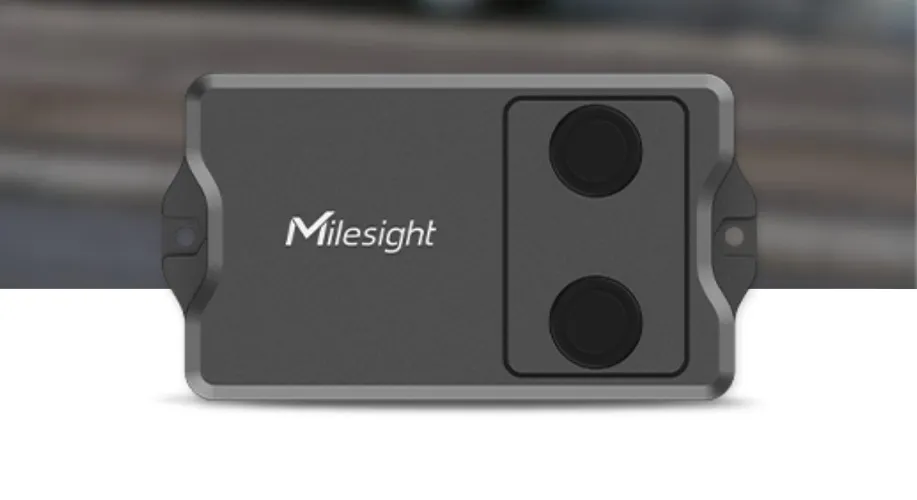
The sensor measures the distance between itself and the surface of the contents, most often by ultrasound or time of flight, and works regardless of what is inside. Collection follows the actual level instead of a calendar, which saves trips, fuel and working hours.

Measures
Fill level (%), fill rate
Typical use
Public bins, containers, tanks
RFID bin identification

RFID bin identification

Which container was emptied, when and how often.

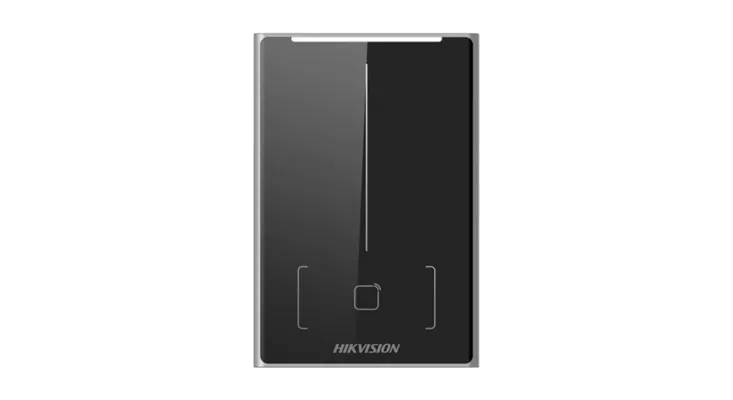
An RFID tag on the bin is read at collection or on site. It does not measure waste itself, but it links every emptying to one container – the basis for route planning, usage-based billing in shared systems and proof that a service was done.

Measures
Container ID, collection time
Typical use
Shared bins, service proof, billing
Gas emission sensor

Gas emission sensor

Methane / CO₂ / ammonia

Gases from decomposing waste, before they become a hazard.

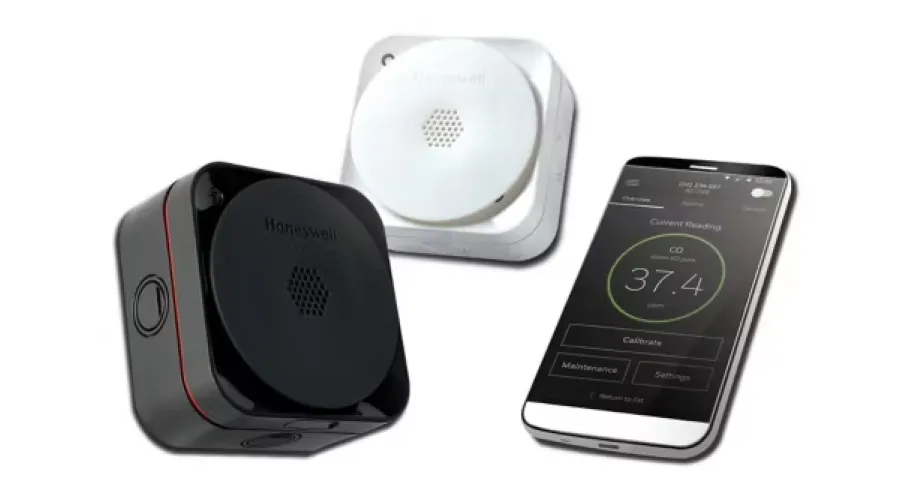
Decomposing waste releases methane, carbon dioxide or ammonia. In enclosed waste rooms, composting areas or collection points, a gas sensor shows when levels rise – a sign of poor ventilation or wrong storage – and protects the people who work there.

Measures
Methane, CO₂, ammonia (ppm)
Typical use
Waste rooms, composting, collection points
Odour sensor

Odour sensor

VOC sensor

Smell before the complaint – an alert when odour crosses a threshold.

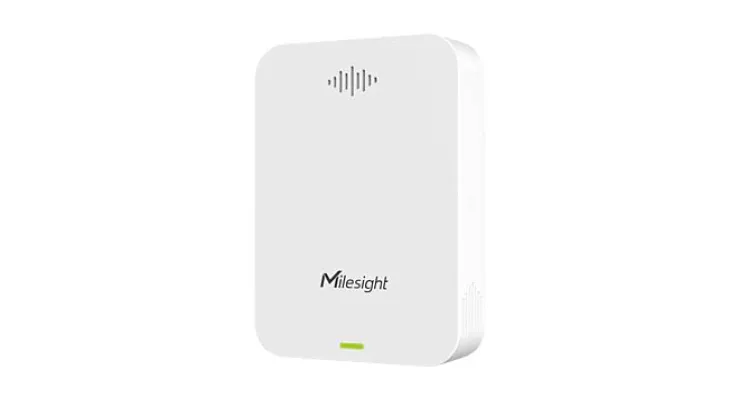
An odour sensor measures volatile organic compounds, the gases behind the smell of waste. It is not exact for every type of waste, but it reliably shows when a threshold is passed, so an indoor bin or a waste room is cleaned before visitors notice.

Measures
VOC concentration
Typical use
Indoor bins, waste rooms, public areas
Temperature sensor for waste

Temperature sensor for waste

Organic or hazardous waste

Heat inside a container – an early sign of fire or runaway decomposition.

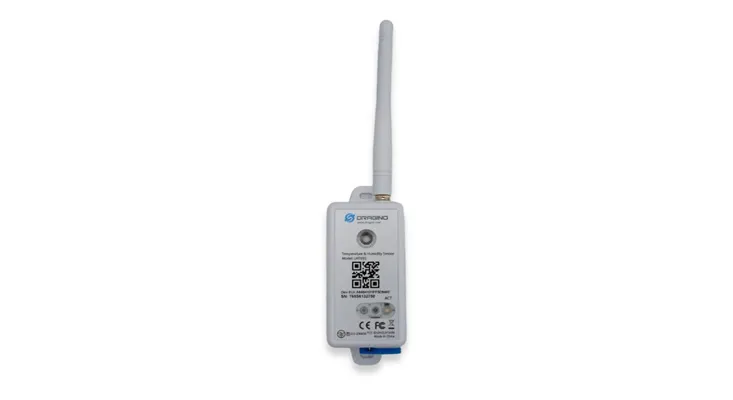
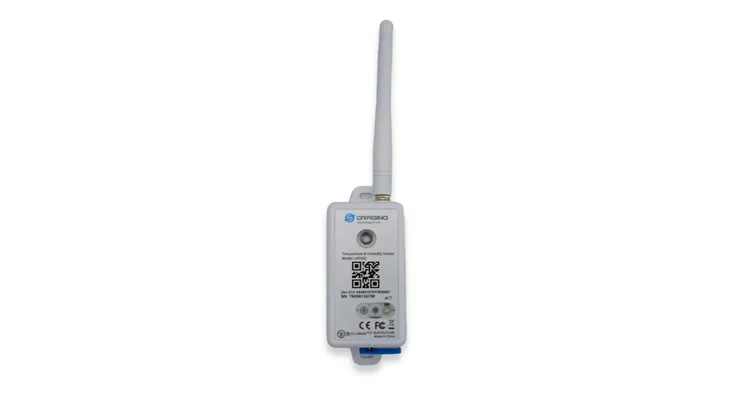
Rising temperature inside a container points to microbial activity, a chemical reaction or smouldering material. In compost, recycling or hazardous waste, a temperature sensor gives an early warning so the container is checked before it catches fire.

Measures
Temperature (°C)
Typical use
Compost, recycling, hazardous materials
Lid status sensor

Lid status sensor

Open or closed – against misuse, pests and false fill readings.

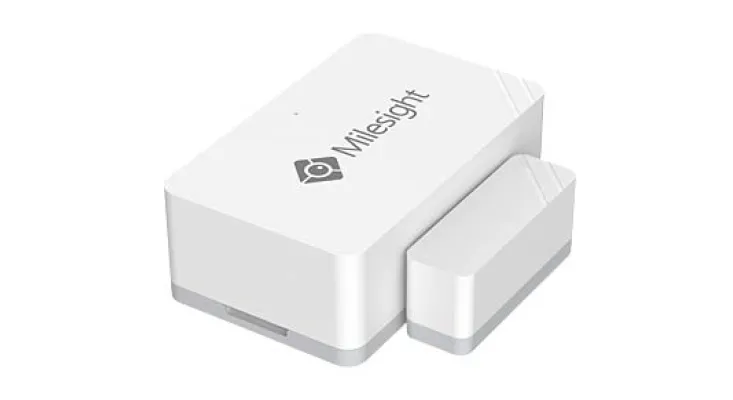
A lid sensor registers whether a container is open or closed. It keeps pests out, flags unauthorised use and makes fill readings more reliable. With time stamps it also shows how often a bin is used over the day.

Measures
Lid open / closed, openings per day
Typical use
Busy public areas, smart bins
GPS tracker

GPS tracker

For mobile containers and vehicles

Where containers, compactors and collection vehicles are right now.

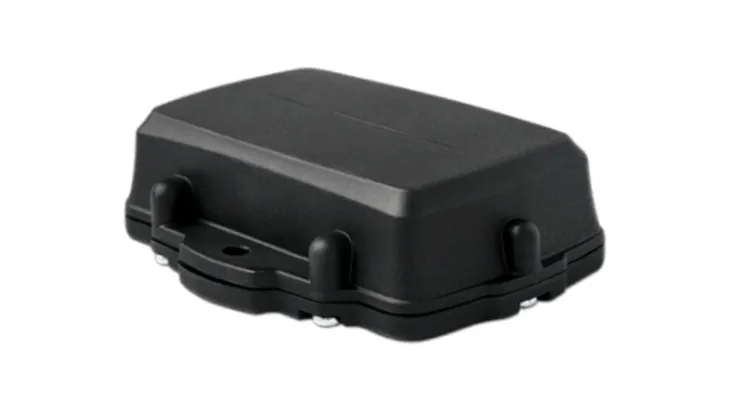
A GPS tracker reports the position of mobile containers, compactors or collection vehicles. It prevents loss and theft and shows the routes actually driven. Paired with fill level data, it gives the full view of a distributed collection system.

Measures
Position, movement
Typical use
Mobile containers, fleets, large sites
Under the hood

For technical readers

Every variant at a glance, with the protocols the readings travel on.

Protocols
  • LoRaWAN
Fill Level: variants, what they measure, typical use
VariantMeasuresTypical use
Fill level sensor Fill level (%), fill rate Public bins, containers, tanks
RFID bin identification Container ID, collection time Shared bins, service proof, billing
Gas emission sensor Methane, CO₂, ammonia (ppm) Waste rooms, composting, collection points
Odour sensor VOC concentration Indoor bins, waste rooms, public areas
Temperature sensor for waste Temperature (°C) Compost, recycling, hazardous materials
Lid status sensor Lid open / closed, openings per day Busy public areas, smart bins
GPS tracker Position, movement Mobile containers, fleets, large sites

Data sheets (radio, power supply, protection class) for the variant that fits your site come with the quote. Request data sheets

Ask baiond

Ask what it measures.

A question this sensor answers, the way baiond answers: readings, reasons, a recommendation and the source.

baiond AI Your data. Real answers.
Demo · not connected to live sensorsDemo
Do the bins at the hut need emptying before the afternoon?
You
Checked Ultrasonic fill-level sensors · baiond Gateway How did baiond know?
  1. Sensor
  2. baiond Gateway
  3. Space System
  4. AI agent

The sensor reports to the baiond Gateway, the Space System puts the reading in context (location, threshold, history), and the AI agent turns it into an answer.

Source: Ultrasonic fill-level sensors · baiond Gateway

  • Fill level 84%
  • Empty at 80%
  • Full in approx. 1.5h

Yes, two of them. The terrace bins at the hut are at 84 %, above the emptying threshold of 80 %, and at the current rate they will be full in about 1.5 hours. The bins at the trailheads are below 40 %.

baiond AI
Recommendation

Send the hut team to empty the two terrace bins now and move the 16:00 round to 17:30. Add a third bin on the terrace for the season.

Would you like me to investigate further?

Frequently asked questions

Frequently asked questions

How does the sensor know how full a bin is?

It sits under the lid and measures the distance to the surface of the contents, by ultrasound or time of flight. baiond turns that distance into a percentage for the container’s shape.

Can I get told before a bin overflows?

Yes. You set the level at which a container should be emptied, for example 80 %. baiond also learns how fast each one fills and tells you roughly when it will be full.

Does it work for tanks as well as bins?

Yes, the same measuring principle works for tanks and cisterns. Which sensor fits depends on the contents and the tank; that is settled during planning.

Do we have to change our bins?

Usually not. The sensors are fitted to the containers you already use and run on battery, so in most cases no cabling is needed.

Next step

Which Fill Level sensor fits your site?

Tell us the place and the question. We name the variant, the quantity and what it costs.

Request a quote
Ask baiond
baiond AI is typing