Sensors: Build your own Data Journey
Start with the question, not the device. Pick what you want to know, choose the sensors that measure it, and baiond turns their readings into answers. Every family with all its variants, ready for the platform.
- Sensor families
- 12
- Variants
- 87
- Platform for all of them
- 1

What do you want to know?
-
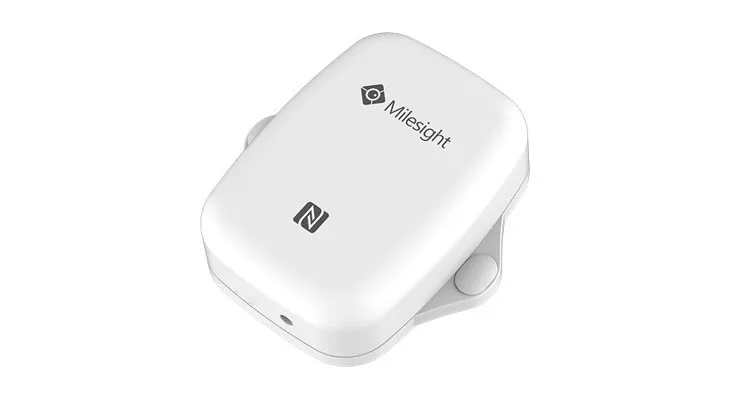 Temperature
ambient, soil, surface, water, pipe, weather station …
Temperature
ambient, soil, surface, water, pipe, weather station …
-
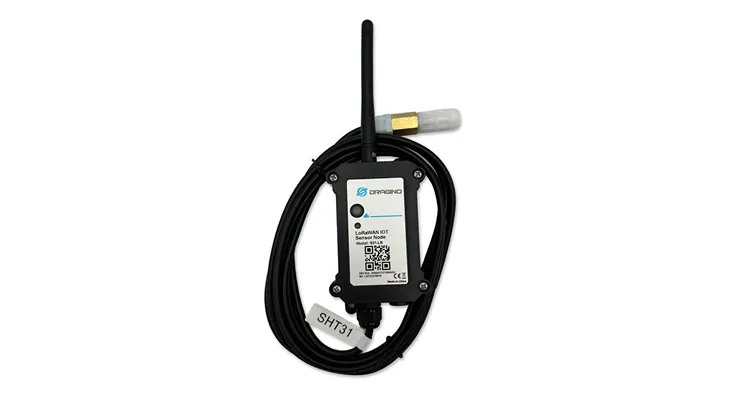 Humidity
relative, temperature-humidity combo, dew point, absolute, soil …
Humidity
relative, temperature-humidity combo, dew point, absolute, soil …
-
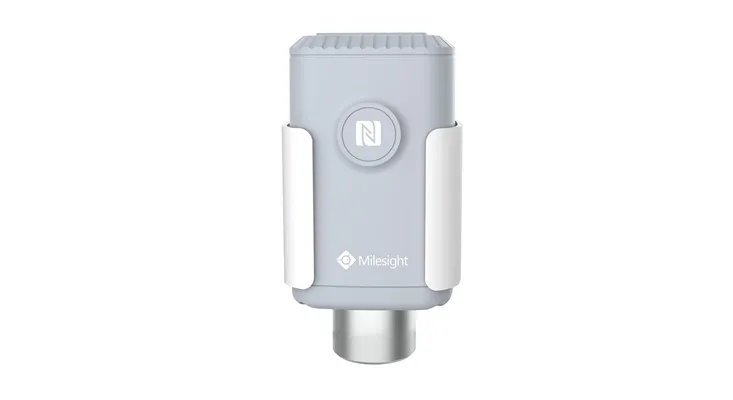 Air & Air Quality
CO₂, particulate matter, VOC, ozone, wind, AQI …
Air & Air Quality
CO₂, particulate matter, VOC, ozone, wind, AQI …
-
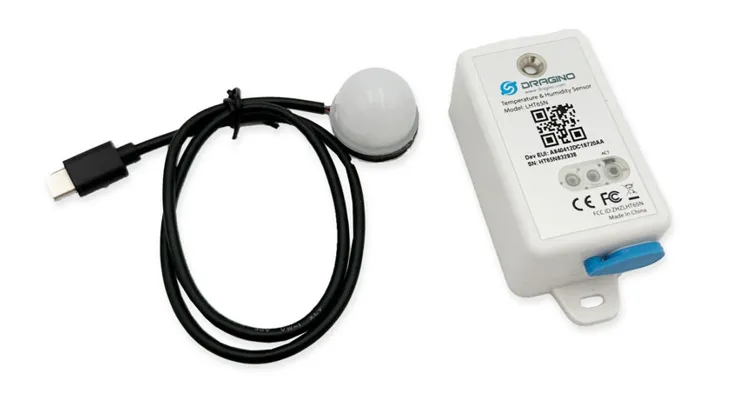 Light
ambient, daylight, lux, PAR, solar radiation, UV
Light
ambient, daylight, lux, PAR, solar radiation, UV
-
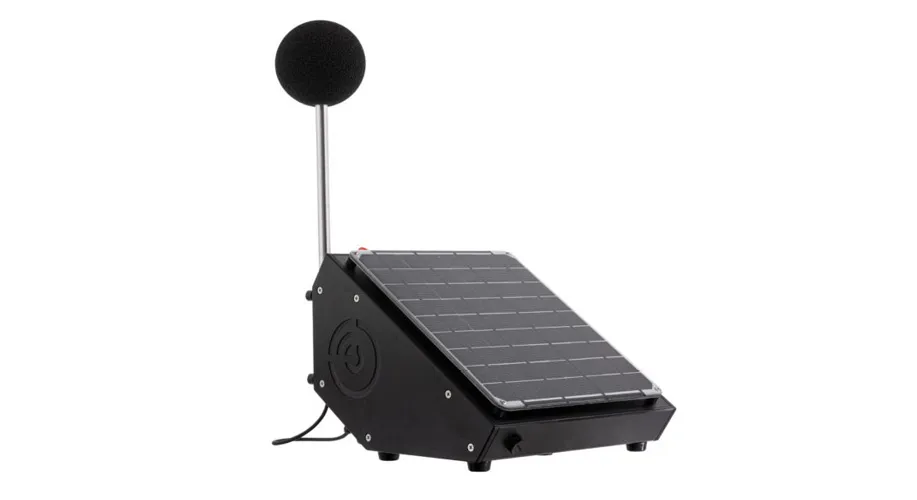 Noise
sound level, A-weighted, directional, monitoring station
Noise
sound level, A-weighted, directional, monitoring station
-
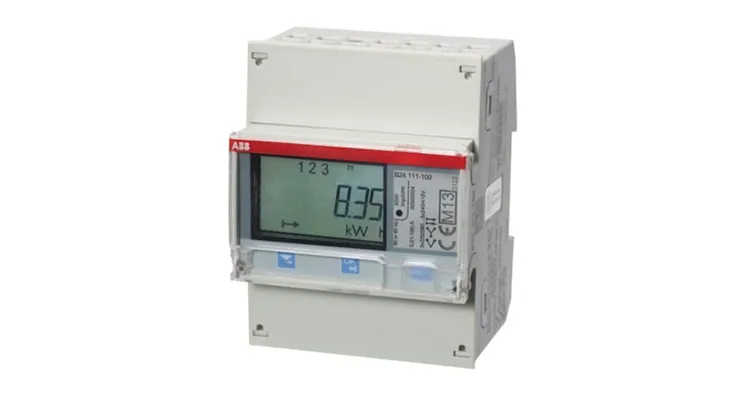 Energy
smart meter, current, voltage, power, power factor …
Energy
smart meter, current, voltage, power, power factor …
-
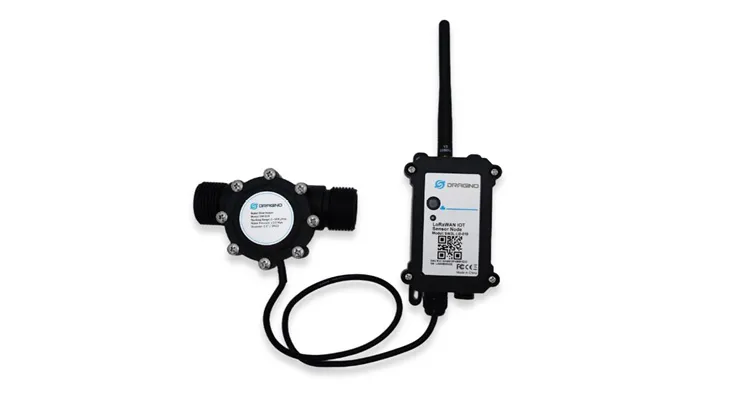 Water
flow, pressure, level, rain, leak, quality …
Water
flow, pressure, level, rain, leak, quality …
-
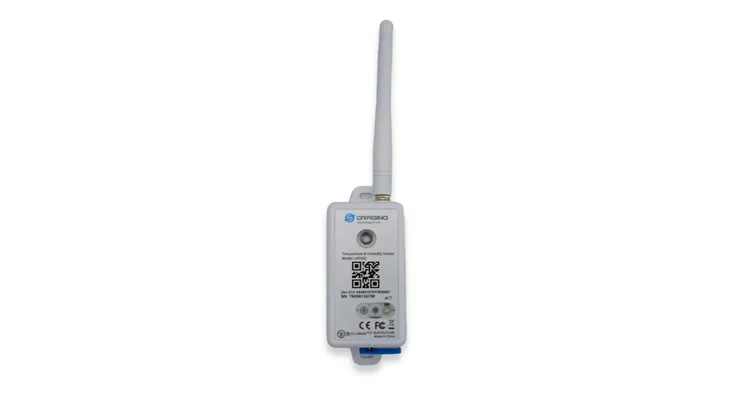 Fill Level
ultrasonic, ToF, lid status, odour, gas, GPS …
Fill Level
ultrasonic, ToF, lid status, odour, gas, GPS …
-
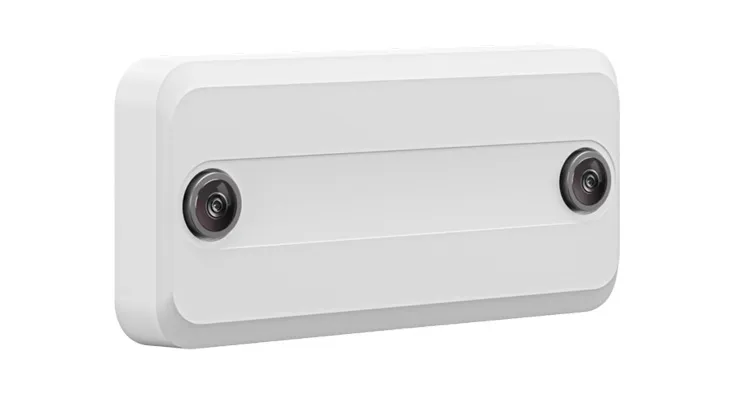 People Counting
infrared, thermal, video analytics, ToF, LiDAR …
People Counting
infrared, thermal, video analytics, ToF, LiDAR …
-
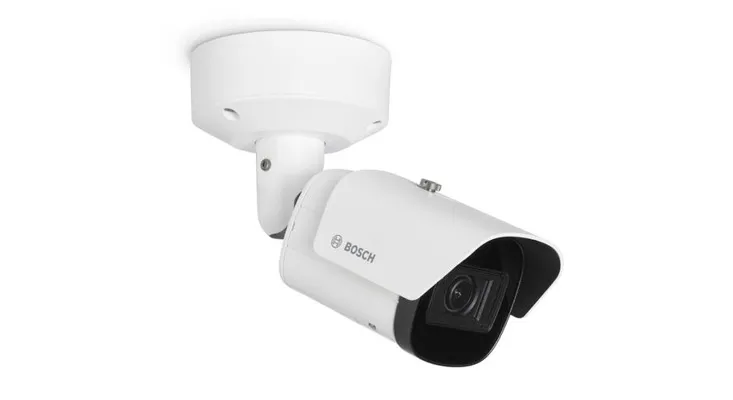 Traffic
radar, inductive loop, camera, magnetic, emissions …
Traffic
radar, inductive loop, camera, magnetic, emissions …
-
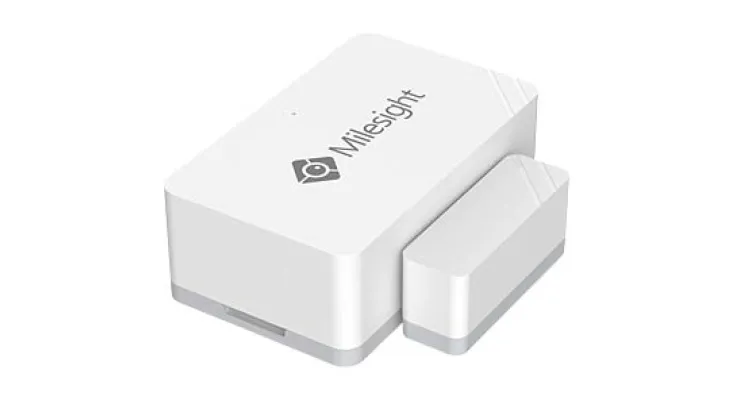 Presence & Access
motion, door contact, radar presence, glass break …
Presence & Access
motion, door contact, radar presence, glass break …
-
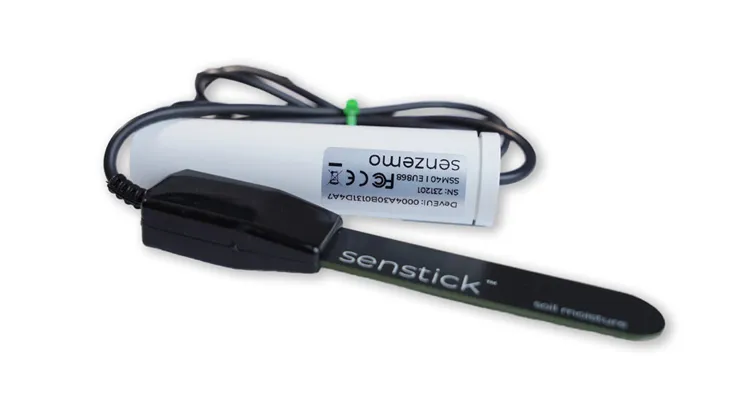 Soil & Soil Moisture
moisture, temperature, salinity, pH, nutrients …
Soil & Soil Moisture
moisture, temperature, salinity, pH, nutrients …
Nothing fits? We build it.
When no sensor on the market measures what you need, baiond builds one. Designed for your site, tested in a pilot, and reporting into the same platform as every other sensor.

Built for the places where the readings happen.
Battery or solar powered, radio instead of cable: the sensors go where nobody stands and watches.
Three steps from a sensor to an answer.
-
Choose what to measure
Pick sensor families by the question you want answered. Mix them freely, per room, per site.
-
Connect through the Gateway
The baiond Gateway brings wireless sensors and your existing building systems into one data stream.
The baiond Gateway -
Ask baiond
Ask in plain language. The answer names the readings, the reasons and what to do now.
How the answers come about
Frequently asked questions
Can I connect sensors I already have?
Usually yes. The baiond Gateway speaks the common building and IoT protocols, from BACnet, KNX and Modbus to M-Bus, MQTT and LoRaWAN, so existing meters and systems report into the same platform as new sensors.
Do the sensors need cabling?
Most variants are wireless and battery-powered, so in many cases they go on the wall, the pipe or into the ground without new cabling. Which variant suits your site, and how it is powered, is part of the quote.
How do I know which sensor I need?
Start with the question you want answered. Tell us the place and the question, and we name the sensor family, the variant and the quantity.
What if the sensor I need does not exist?
Then we build it. Custom-built Sensors started with the electric fence sensor and crack monitoring, both made for one case and now available for others.
Which sensors does your site need?
Tell us the place and the questions. We put together the sensors, the variants and a quote.
Request a quote