Vineyards: every plot knows its microclimate
Soil moisture, leaf wetness and the microclimate of every plot, measured on site. baiond flags disease and frost risk early, and makes irrigation and plant protection plannable.

What goes wrong quietly.
The wet night you did not see
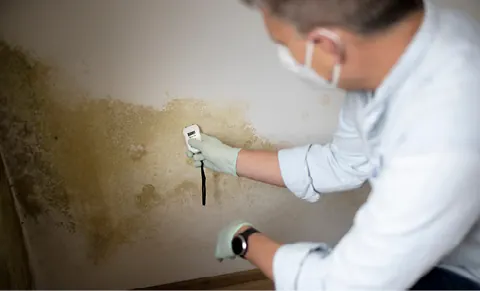
Mildew needs a few hours of wet leaves at the right temperature. The station in the village did not have them. The plot on the north slope did.
Frost at four in the morning
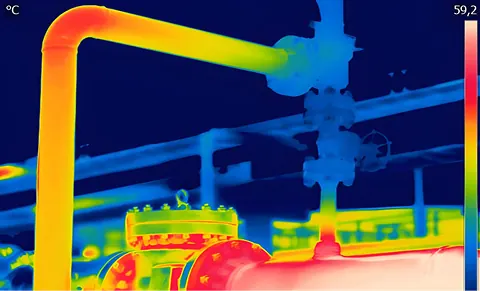
The forecast said two degrees. The hollow at the bottom of the vineyard had minus one, and nobody was awake to light the candles.
Watering by the calendar
Irrigation runs on the day it always runs, whether the soil at root depth needs it or not. Water, pumping hours and stressed vines are the price.
Where the sensors sit.
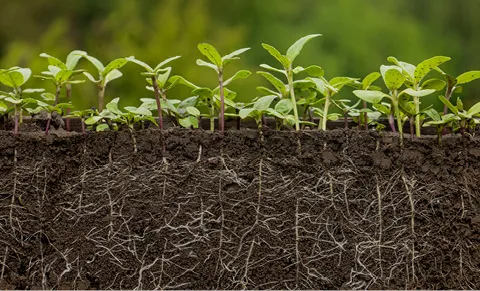
Every dot is a sensor family in its typical place. Select one to see what it measures and what baiond does with it.
baiond puts leaf-wetness, soil and microclimate sensors into the plots themselves and combines them with the weather station and satellite data for the whole estate. Every plot is a place in the Space System with its own curves. When leaves stay wet long enough for an infection, when the temperature in the hollow falls towards zero, or when root-zone moisture drops under the threshold, the winegrower gets a message with the plot, the reading and what to do. The season is on file for certifications and the next vintage.
-
-
-
-

-



- Sensors
- baiond Gateway
- Satellite & Weather Data
- AI Agents
- You
The same site, run differently.
Spraying by the calendar and the neighbour.
Spraying when the plot reports infection conditions, and only that plot.
Frost found in the morning, on the buds.
A message at 03:40 when the hollow crosses 0.5 °C.
Irrigation on Tuesdays.
Irrigation when the root zone asks for it, plot by plot.
In use at and in partnership with


What managers ask before they start.
Which sensors go into the vineyard?
Leaf-wetness sensors in the canopy, soil sensors at root depth for moisture, temperature and conductivity, and a small climate station per plot or slope. All battery-powered, all LoRaWAN, so no cable in the rows.
How early does the disease warning come?
When the conditions are met, not when the symptoms show. baiond combines leaf wetness duration, temperature and the forecast into a risk per plot and tells you which plots crossed it overnight.
Does this replace my weather service?
It adds the part the weather service cannot see: your plots. The forecast stays in the picture; the sensors say what actually happened on the north slope at 04:00.
Can I use the data for certification?
Yes. Every reading and every spraying or irrigation decision is logged per plot and per date. You export the season as a report for organic, sustainability or quality certification.
Does baiond warn me about late frost in the vineyard?
Yes, per plot. A temperature sensor sits where the cold air collects, usually the hollow at the bottom of the vineyard. When it falls towards zero, you get a message with the plot and the reading, even when the forecast for the village says two degrees.
Related industries
Same sensors, same questions, a different floor.
-
-
-


Ready to give your data a voice?
Thirty minutes with the baiond team about your site and your questions. No slides.
Request a consultation