Request a consultation
Sensor family

Water Sensors: flow, level, rain, leaks, quality

Water sensors tell you how much water flows, where it leaks, how high a level stands and how much rain has fallen. You catch the tap that runs all night and water the turf by demand, not by the calendar.

Water
Protocols: LoRaWANM-Bus

Water problems rarely announce themselves. A cistern that keeps refilling, a pipe that weeps under the floor, an irrigation line that runs after rain – each one shows up months later on a bill or as a stain on the ceiling. Water sensors make these moments visible early.

Flow and pressure sensors sit on the supply lines, level sensors in tanks and basins, rain gauges and tensiometers outside on the grounds. They send their readings wirelessly to the baiond Gateway, which compares them with the normal pattern. When 4.2 litres a minute still flow through an ablution area at 3 am, baiond reports it before the morning – with the meter, the room and the time it started.

Variants
9
Industries using it
12
Protocols
LoRaWAN · M-Bus
How the readings travel
Sensor baiond Gateway Your answer
Variants

Every Water variant, one platform.

Pick the variant that fits the place. Whatever you choose, the readings arrive in the same platform and answer the same questions.

Water flow sensor

Water flow sensor

Smart water meter

How much water passes through a pipe – and when it should not.

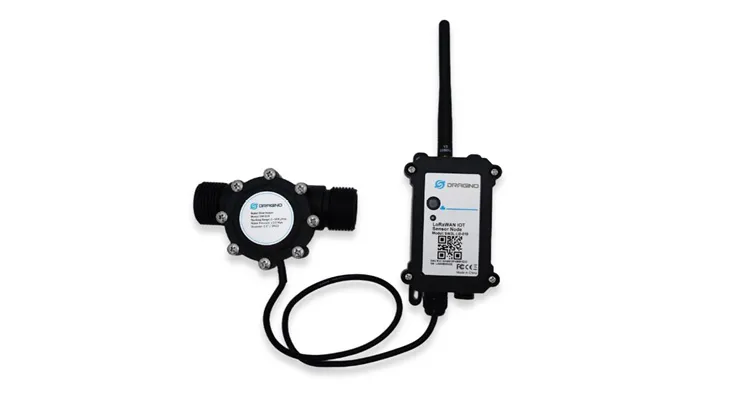
A flow sensor measures the volume of water passing through a pipe. It shows consumption per building or zone, reveals inefficient use and spots leaks as flow where there should be none. Read remotely, it replaces the monthly meter round with a continuous record.

Measures
Litres per hour, total volume
Typical use
Consumption per building, night-flow alarms
Pressure sensor

Pressure sensor

Water pressure in pipes and irrigation – drops and blockages caught early.

A pressure sensor watches the force of water in pipes or irrigation lines. A sudden drop points to a break or leak, a steady rise to a blockage or a pump problem. Kept in range, pressure protects pipes and equipment; paired with a flow sensor, it gives a full picture of the system.

Measures
Pressure (bar)
Typical use
Pipe networks, irrigation, pumps
Rain sensor

Rain sensor

Detects rain and pauses irrigation so nothing is watered twice.

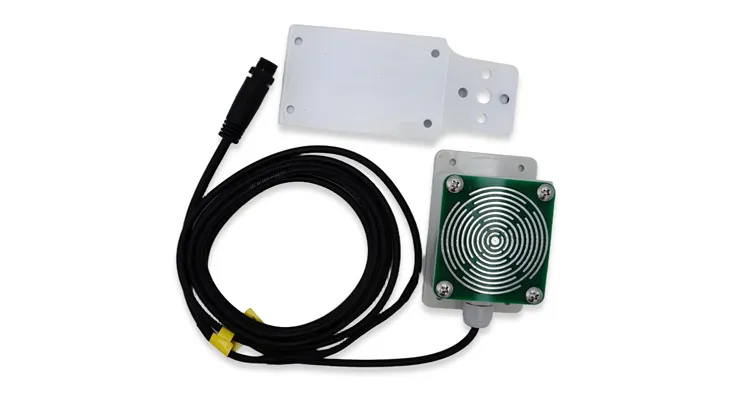
A rain sensor registers precipitation and holds back irrigation while it rains. Simple models switch on and off, more advanced ones estimate the amount. Either way, it stops the sprinklers running on a wet day – the easiest water saving on any grounds.

Measures
Rain yes / no, intensity
Typical use
Irrigation control on turf and green areas
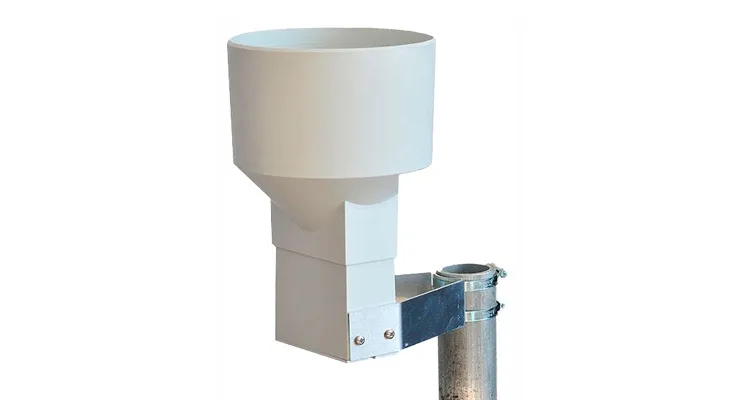
Rain gauge

Rain gauge

The exact rainfall per hour, day or season.

A rain gauge measures how much rain has fallen over a period. Unlike a simple rain sensor it delivers numbers, so irrigation can subtract natural rainfall and long-term water planning rests on your own site’s data rather than the nearest weather station.

Measures
Rainfall (mm)
Typical use
Irrigation planning, environmental monitoring
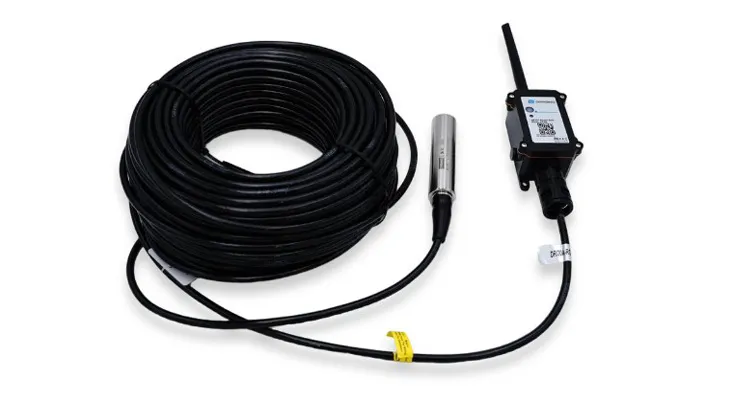
Water level sensor

Water level sensor

Levels in tanks, ponds, basins and rivers – before they overflow or run dry.

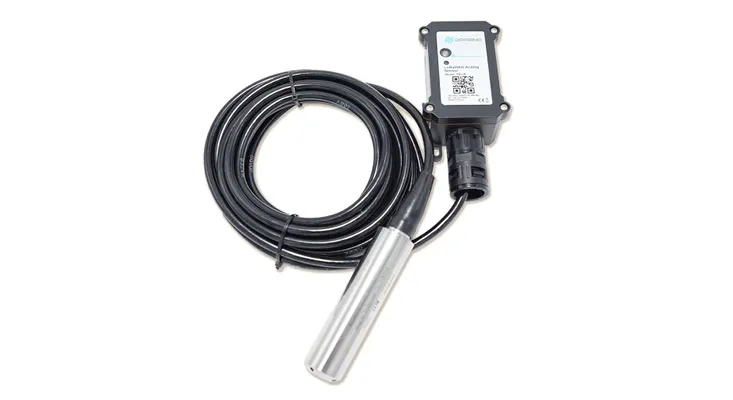
A level sensor measures the height of water in a tank, pond, reservoir or watercourse, by ultrasound, pressure or capacitance. It warns before an overflow, signals when a refill is due and shows how reserves develop over a season. On rivers and basins it is an early flood warning.

Measures
Water level (cm, m)
Typical use
Cisterns, retention basins, flood warning
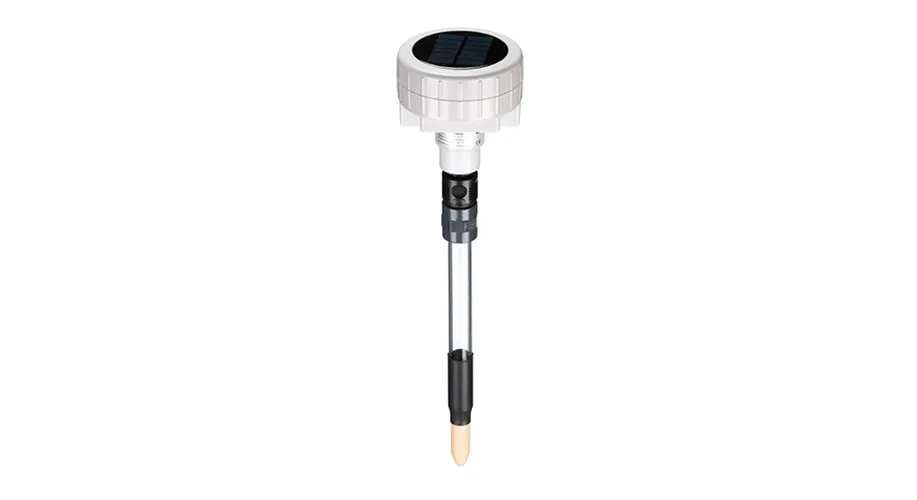
Tensiometer

Tensiometer

How hard plants must work to draw water from the soil.

A tensiometer measures soil water tension – how tightly the soil holds its water and how easily roots can take it up. Where a moisture sensor reports content, a tensiometer reports plant stress. It is used in turf management and precise agriculture, and works especially well in sandy soils.

Measures
Soil water tension (kPa)
Typical use
Greens, sports turf, vineyards
Evapotranspiration (ET) sensor

Evapotranspiration (ET) sensor

The water soil and plants lose – so irrigation matches real demand.

An ET sensor estimates evaporation and plant transpiration together, from temperature, humidity, wind and solar radiation. The result is the water actually lost on a given day, so irrigation replaces exactly that instead of following a fixed schedule.

Measures
Evapotranspiration (mm per day)
Typical use
Smart irrigation on golf courses and sports turf
Leak detection sensor

Leak detection sensor

Water where it does not belong – under floors, in plant rooms, along pipes.

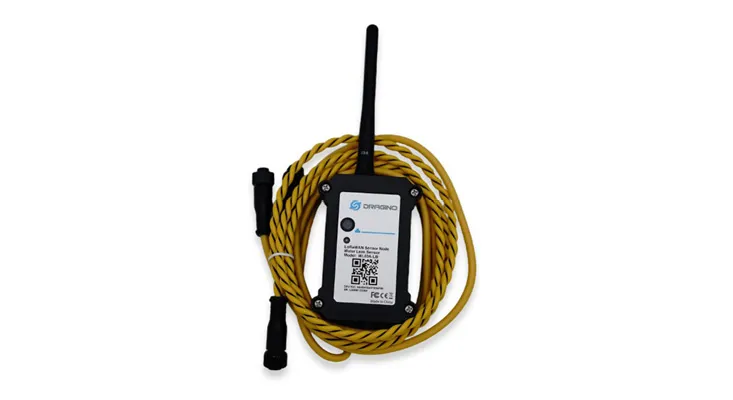
A leak sensor detects escaping water by moisture on the floor, by unusual flow or by sound in the pipe. It raises an alarm the moment water appears, including in places nobody inspects – under raised floors, behind appliances, in underground lines.

Measures
Water present yes / no, location
Typical use
Plant rooms, archives, server rooms, insured buildings
Water quality sensor

Water quality sensor

pH, turbidity, salinity and oxygen in ponds, tanks and reused water.

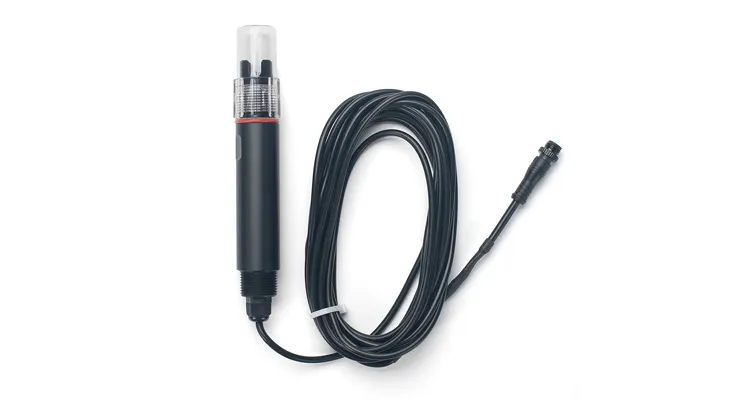
A water quality sensor measures parameters such as pH, turbidity, salinity and dissolved oxygen. It matters wherever water is reused or drawn from ponds and natural sources: plants and turf get water that does no long-term harm, and the readings support environmental reporting.

Measures
pH, turbidity, salinity, dissolved oxygen
Typical use
Irrigation ponds, water reuse, animal enclosures
Under the hood

For technical readers

Every variant at a glance, with the protocols the readings travel on.

Protocols
  • LoRaWAN
  • M-Bus
Water: variants, what they measure, typical use
VariantMeasuresTypical use
Water flow sensor Litres per hour, total volume Consumption per building, night-flow alarms
Pressure sensor Pressure (bar) Pipe networks, irrigation, pumps
Rain sensor Rain yes / no, intensity Irrigation control on turf and green areas
Rain gauge Rainfall (mm) Irrigation planning, environmental monitoring
Water level sensor Water level (cm, m) Cisterns, retention basins, flood warning
Tensiometer Soil water tension (kPa) Greens, sports turf, vineyards
Evapotranspiration (ET) sensor Evapotranspiration (mm per day) Smart irrigation on golf courses and sports turf
Leak detection sensor Water present yes / no, location Plant rooms, archives, server rooms, insured buildings
Water quality sensor pH, turbidity, salinity, dissolved oxygen Irrigation ponds, water reuse, animal enclosures

Data sheets (radio, power supply, protection class) for the variant that fits your site come with the quote. Request data sheets

Ask baiond

Ask what it measures.

A question this sensor answers, the way baiond answers: readings, reasons, a recommendation and the source.

baiond AI Your data. Real answers.
Demo · not connected to live sensorsDemo
Why is water still flowing in the ablution area in the middle of the night?
You
Checked Water-flow sensor + door contact · baiond Gateway · Space System How did baiond know?
  1. Sensor
  2. baiond Gateway
  3. Space System
  4. AI agent

The sensor reports to the baiond Gateway, the Space System puts the reading in context (location, threshold, history), and the AI agent turns it into an answer.

Source: Water-flow sensor + door contact · baiond Gateway · Space System

  • Flow now 4.2l/min
  • Normal at night 0l/min
  • Running since 2h

Water has been flowing at 4.2 litres per minute on the men's side for 2 hours, although the night baseline is 0. The flow is constant, not the on-off pattern of somebody using a tap, which points to a tap left open or a stuck valve on line 3. That is about 500 litres so far.

baiond AI
Recommendation

Have the caretaker close line 3 at the shut-off valve now and check the four taps in the morning. Replace the valve if the pattern repeats.

Would you like me to investigate further?

Frequently asked questions

Frequently asked questions

How quickly do I find out about a leak?

A leak sensor on the floor alarms as soon as it gets wet. Hidden leaks show up as flow at a time when nothing should run – baiond compares the night flow with the normal value and reports the difference, usually before the next morning.

Can baiond read the water meters we already have?

Often, yes. Meters with a data interface are read through the baiond Gateway; mechanical meters can be fitted with a pulse or flow sensor. Which applies to your site is checked during planning.

Do soil and rain sensors really save irrigation water?

They stop watering by the calendar. Rain gauges subtract what fell naturally, tensiometers and moisture sensors show whether the root zone needs water at all. The savings depend on how the grounds were watered before.

Can water level sensors warn us before a flood?

They can give early warning. A level sensor in a river, basin or retention tank reports the rise at regular intervals, and baiond alerts you when a threshold you set is reached – together with the rainfall that led to it.

Next step

Which Water sensor fits your site?

Tell us the place and the question. We name the variant, the quantity and what it costs.

Request a quote
Ask baiond
baiond AI is typing