Request a consultation
Sensor family

Noise Sensors: sound levels in decibels

Noise sensors measure sound levels in decibels continuously, so you know whether a limit was kept before the complaint arrives. They pay off at stadiums and event sites, on busy roads and wherever a permit or neighbours set a threshold.

Noise
Protocols: LoRaWAN

Noise turns into a problem the morning after: a complaint, a call from the authority, a question nobody can answer with numbers. A noise sensor at the edge of the site writes the sound level at short intervals. baiond keeps the record, marks the periods above the limit and puts them next to what happened at the time — the encore, the delivery at 5 a.m., the traffic jam.

The sensors measure levels, not conversations, run on battery and send by radio to the baiond Gateway. After a stadium concert that means an answer instead of a guess: 58 dB(A) at the nearest houses for 35 minutes after 22:00, against a night limit of 45 dB(A).

Variants
4
Industries using it
3
Protocols
LoRaWAN
How the readings travel
Sensor baiond Gateway Your answer
Variants

Every Noise variant, one platform.

Pick the variant that fits the place. Whatever you choose, the readings arrive in the same platform and answer the same questions.

Sound level sensor

Sound level sensor

Decibel meter

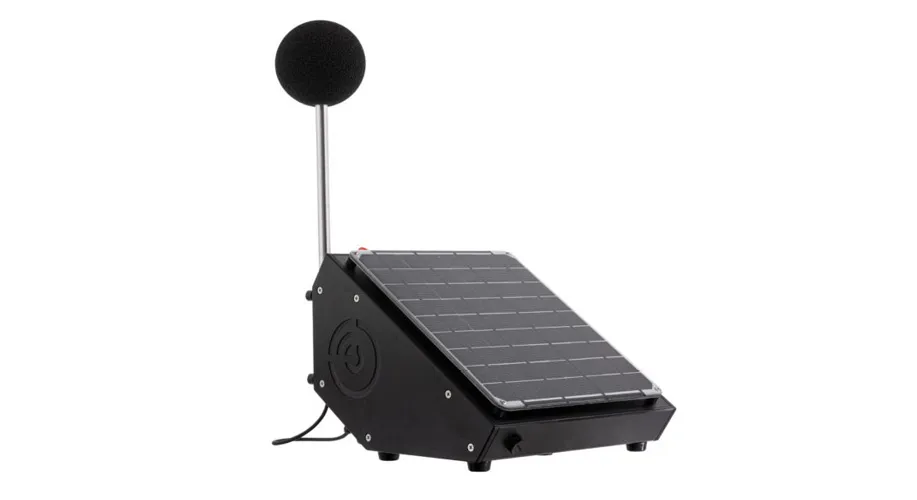
The noise level in decibels, logged over time — the base reading for any limit.

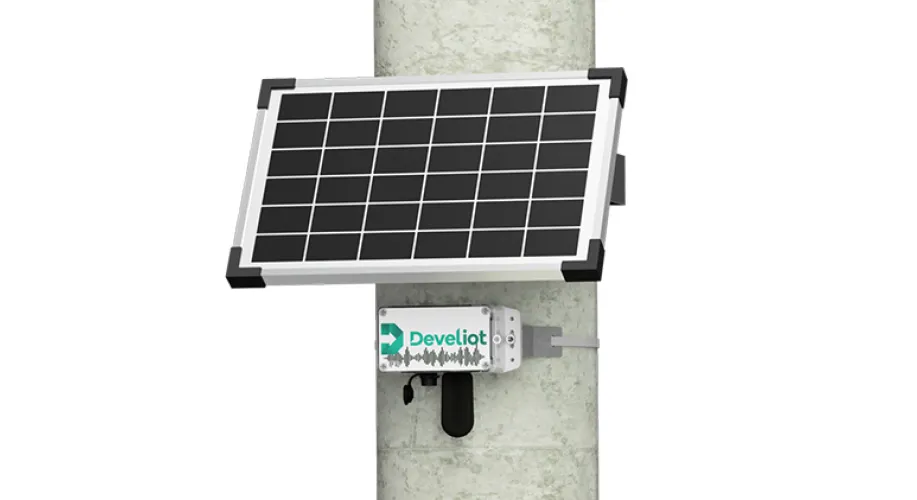
Measures the intensity of ambient noise in decibels. Logged over days and weeks, the readings show patterns: which hours are loud, which source is to blame, when a limit is crossed. Used in city districts, public spaces, workplaces and around venues.

Measures
Sound level in dB
Typical use
Streets, squares, venues, workshops
Directional microphone sensor

Directional microphone sensor

Listens in one direction to find out where a noise comes from.

Picks up sound from a chosen direction and suppresses the rest. That makes it possible to tell which source is behind a complaint — the loading bay, the ventilation unit, the stand — or to detect specific sound events. Needs careful filtering to avoid false alarms.

Measures
Sound level from one direction
Typical use
Complaint sources, wildlife observation
A-weighted sound sensor

A-weighted sound sensor

dB(A) sensor

Noise as the human ear hears it — the unit most limits and permits are written in.

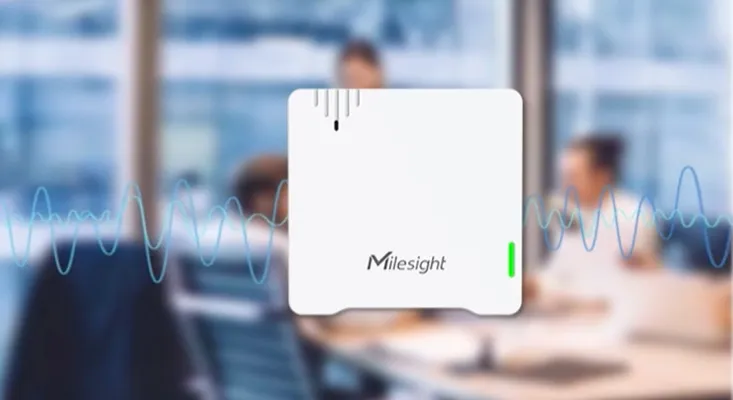
Weights the measurement to match how sensitive the human ear is to different frequencies. The result, in dB(A), is the figure that noise regulations, permits and occupational safety rules usually refer to, so it is the reading you need as evidence.

Measures
Sound level in dB(A)
Typical use
Permit compliance, workplaces, events
Environmental noise monitoring station

Environmental noise monitoring station

A complete outdoor station for long-term noise monitoring with reports.

Combines a weather-protected microphone, data logger and wireless link for continuous monitoring over months. It records not only how loud it is but also when and at which frequencies, and delivers the detailed reports that authorities, neighbours or researchers ask for.

Measures
Level, time profile, frequency bands
Typical use
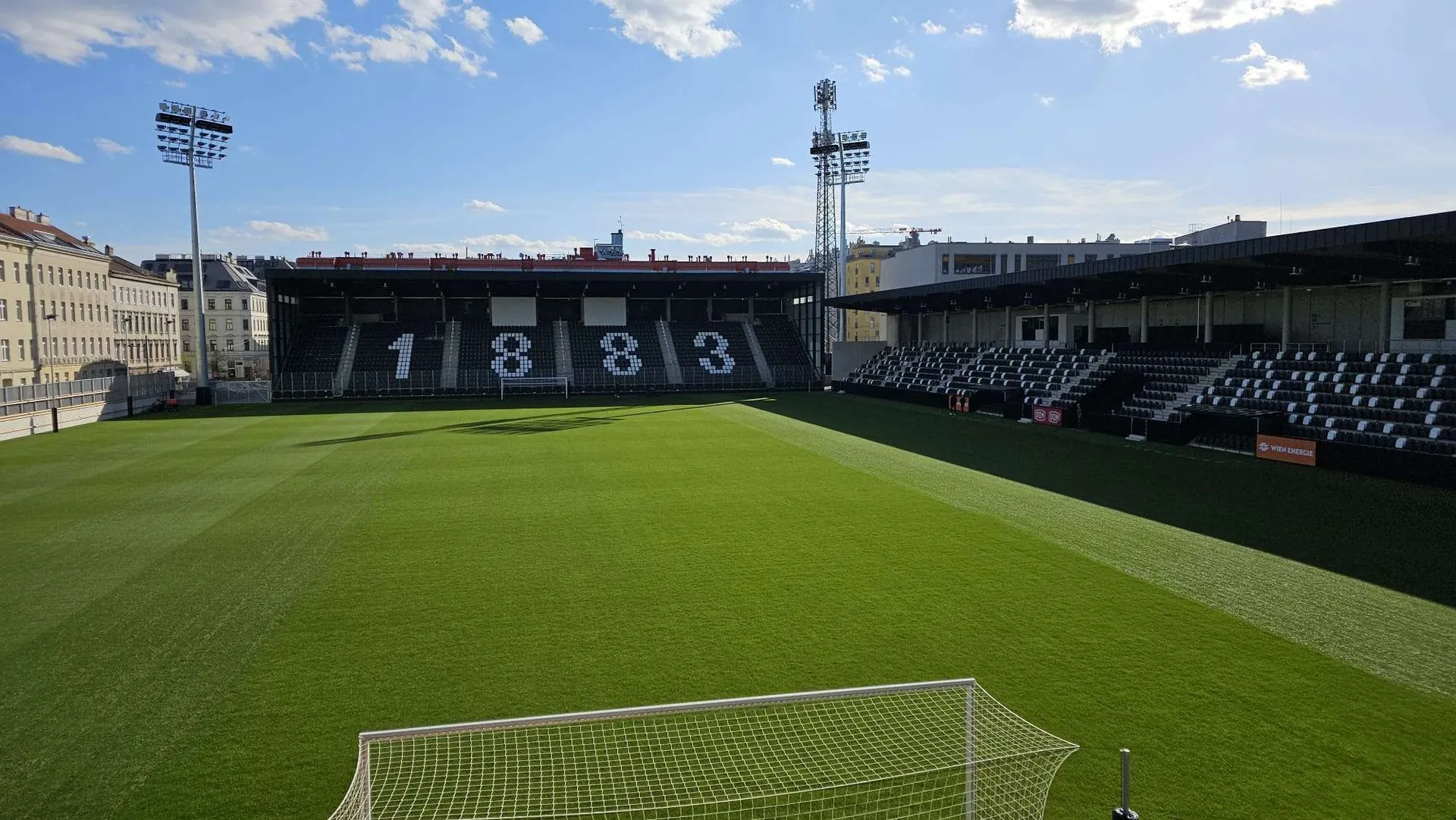
Stadiums, traffic hubs, industrial zones
Under the hood

For technical readers

Every variant at a glance, with the protocols the readings travel on.

Protocols
  • LoRaWAN
Noise: variants, what they measure, typical use
VariantMeasuresTypical use
Sound level sensor Sound level in dB Streets, squares, venues, workshops
Directional microphone sensor Sound level from one direction Complaint sources, wildlife observation
A-weighted sound sensor Sound level in dB(A) Permit compliance, workplaces, events
Environmental noise monitoring station Level, time profile, frequency bands Stadiums, traffic hubs, industrial zones

Data sheets (radio, power supply, protection class) for the variant that fits your site come with the quote. Request data sheets

Ask baiond

Ask what it measures.

A question this sensor answers, the way baiond answers: readings, reasons, a recommendation and the source.

baiond AI Your data. Real answers.
Demo · not connected to live sensorsDemo
Did we keep the night-time noise limit after Saturday’s concert?
You
Checked Noise sensor · baiond Gateway · Graph Builder How did baiond know?
  1. Sensor
  2. baiond Gateway
  3. Space System
  4. AI agent

The sensor reports to the baiond Gateway, the Space System puts the reading in context (location, threshold, history), and the AI agent turns it into an answer.

Source: Noise sensor · baiond Gateway · Graph Builder

  • Peak after 22:00 58dB
  • Night limit 45dB
  • Above limit 35min

No. At the east measuring point the level reached 58 dB(A) after 22:00, above the night limit of 45 dB(A). It stayed above the limit for 35 minutes, until 22:35.

baiond AI
Recommendation

Export the night record for the event report, and for the next concert agree a hard end at 22:00 and send the crowd out through the west gates.

Would you like me to investigate further?

Frequently asked questions

Frequently asked questions

Do noise sensors record what people say?

No. They measure sound levels in decibels, not speech. baiond stores the level over time, which is what a limit or a complaint is about.

Can we prove we kept the noise limit after an event?

Yes. baiond keeps the record and shows each period above the limit, with time and duration. You can export it as documentation for the authority or the neighbours.

Where do the sensors go — on site or at the neighbours?

Ideally at the points your permit refers to, usually towards the nearest homes, plus one near the source for comparison. We plan the positions with you.

Can noise tell us something about traffic or crowds?

Yes. A rising level at an entrance or a road often goes hand in hand with more people or vehicles. baiond puts noise next to counts from people and traffic sensors, so you see the cause, not just the decibels.

Next step

Which Noise sensor fits your site?

Tell us the place and the question. We name the variant, the quantity and what it costs.

Request a quote
Ask baiond
baiond AI is typing