Request a consultation
Sensor family

Light Sensors: brightness and plant light

Light sensors show whether lamps burn while daylight would do, whether a workplace is bright enough and whether plants get the light they grow on. They pay off in offices, stores and car parks with long lighting hours, and on turf, vines and greenhouses.

Light
Protocols: LoRaWAN

Lighting is one of the few costs that runs all day without anyone looking at it. A light sensor measures how bright a space really is and how much of that comes from the sun. baiond puts the reading next to the lighting circuit's consumption and shows where lamps burn for nothing: in the atrium at noon, in the car park at 2 a.m., in the store room nobody entered.

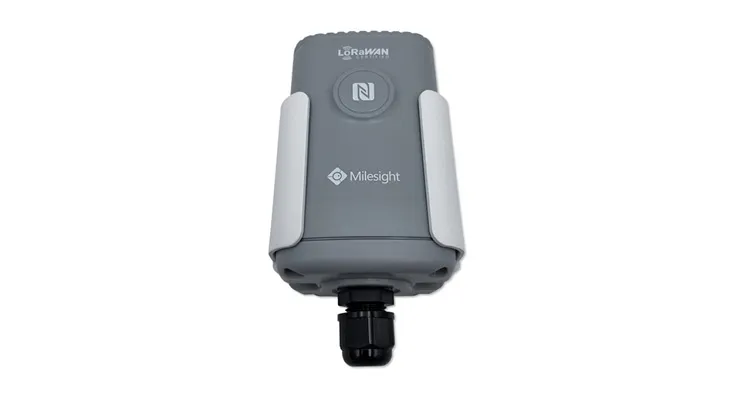
Outdoors the same sensor family looks at the sky instead: PAR and solar radiation tell a greenkeeper or a winemaker how much usable light the turf or the vines received this week. The sensors run on battery and send by radio to the baiond Gateway.

Variants
6
Industries using it
4
Protocols
LoRaWAN
How the readings travel
Sensor baiond Gateway Your answer
Variants

Every Light variant, one platform.

Pick the variant that fits the place. Whatever you choose, the readings arrive in the same platform and answer the same questions.

Ambient light sensor

Ambient light sensor

ALS

How bright a space is, measured the way the eye sees it.

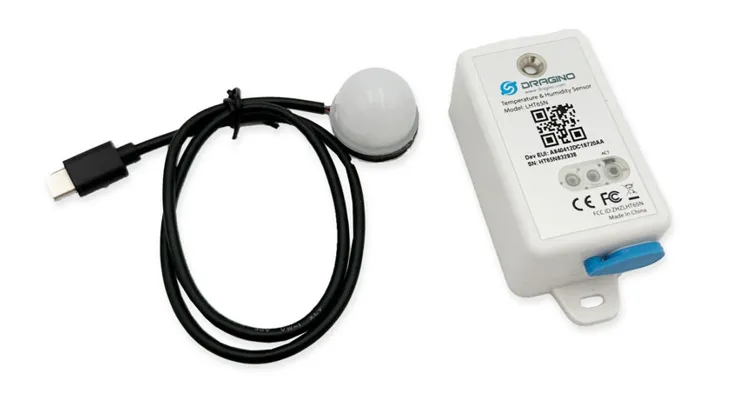
Measures the overall brightness of a space with a sensitivity close to the human eye. It shows when artificial light is on although daylight would be enough and helps adjust lighting to the time of day and the weather, indoors and outdoors.

Measures
Brightness in lux
Typical use
Offices, corridors, stores, car parks
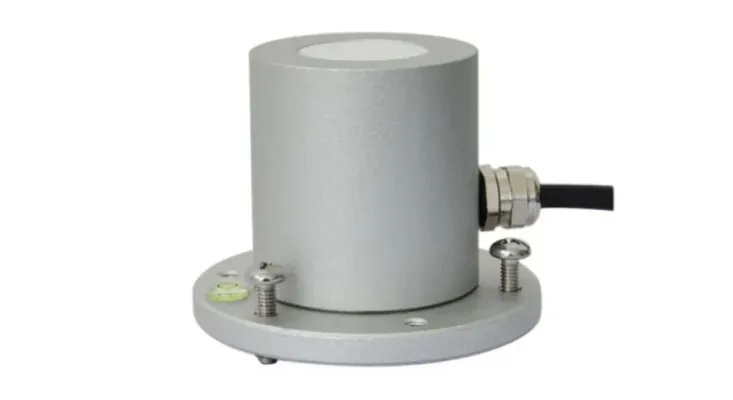
PAR sensor

PAR sensor

Photosynthetically active radiation

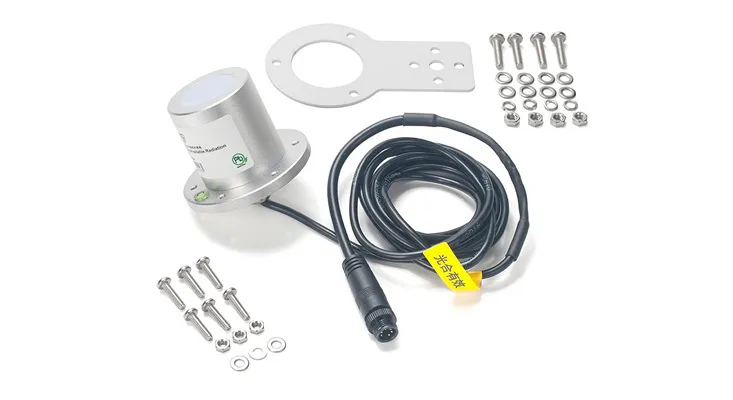
The part of sunlight plants actually grow on, 400–700 nm.

Measures only the wavelengths plants use for photosynthesis. It shows whether a green, a pitch in the stadium shadow or a greenhouse bed gets enough light, and when grow lights are worth switching on. Over a season it explains why one area grows and another does not.

Measures
Photon flux in µmol/m²/s, daily light sum
Typical use
Stadium turf, greens, greenhouses, vineyards
Solar radiation sensor

Solar radiation sensor

Pyranometer

All the solar energy that reaches a surface — for shading, cooling and solar yield.

Measures the total solar radiation, direct and diffuse, reaching a surface. The value explains why the south side of a building overheats, when shading should close and what a solar installation should be yielding. It also feeds evapotranspiration and irrigation models.

Measures
Irradiance in W/m²
Typical use
Facades, PV systems, irrigation planning
UV sensor

UV sensor

Ultraviolet light sensor

UV radiation from the sun — for staff and visitors outdoors and for materials that fade.

Measures ultraviolet radiation (UVA and UVB). High values call for shade and protection for people working or playing outside and speed up the ageing of textiles, plastics and paintwork. Often part of a weather station or shown as a UV index.

Measures
UV index, UV irradiance
Typical use
Pools, sports grounds, exhibition rooms
Light intensity sensor

Light intensity sensor

Lux meter

The light level at a workplace or a path in lux — easy to compare room by room.

Measures visible light in lux (lumens per square metre). It shows whether workplaces, aisles and paths get the light they need, and where rooms are brighter than necessary. A straightforward figure for lighting audits indoors and outdoors.

Measures
Illuminance in lux
Typical use
Workplaces, aisles, paths, sports halls
Daylight sensor

Daylight sensor

Is it day or night, and how much daylight is there — the switch for lighting that only runs when needed.

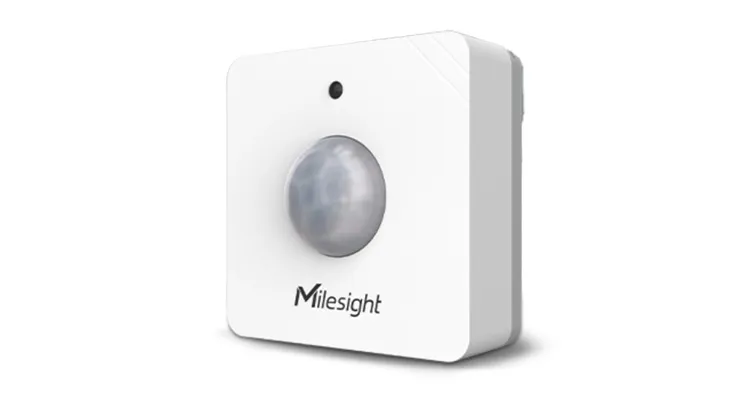
Detects the presence and strength of natural daylight, set to clear day and night thresholds. Placed at a window, on a roof or in the open, it tells lighting systems and street lights when they are needed, so they stop running in broad daylight.

Measures
Daylight level, day / night
Typical use
Atriums, outdoor lighting, car parks
Under the hood

For technical readers

Every variant at a glance, with the protocols the readings travel on.

Protocols
  • LoRaWAN
Light: variants, what they measure, typical use
VariantMeasuresTypical use
Ambient light sensor Brightness in lux Offices, corridors, stores, car parks
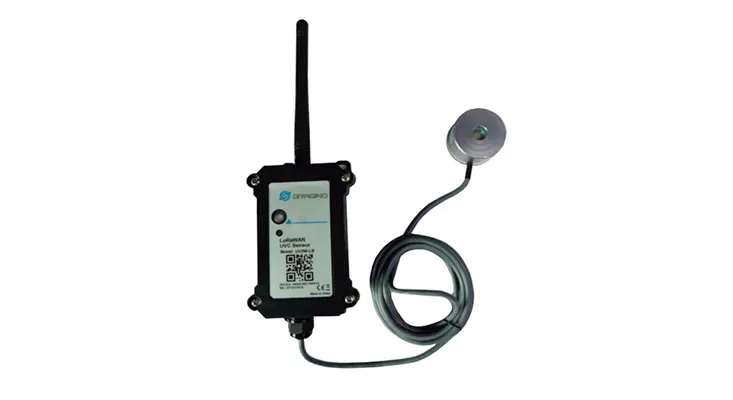
PAR sensor Photon flux in µmol/m²/s, daily light sum Stadium turf, greens, greenhouses, vineyards
Solar radiation sensor Irradiance in W/m² Facades, PV systems, irrigation planning
UV sensor UV index, UV irradiance Pools, sports grounds, exhibition rooms
Light intensity sensor Illuminance in lux Workplaces, aisles, paths, sports halls
Daylight sensor Daylight level, day / night Atriums, outdoor lighting, car parks

Data sheets (radio, power supply, protection class) for the variant that fits your site come with the quote. Request data sheets

Ask baiond

Ask what it measures.

A question this sensor answers, the way baiond answers: readings, reasons, a recommendation and the source.

baiond AI Your data. Real answers.
Demo · not connected to live sensorsDemo
Why are the lights on in the atrium when the sun is out?
You
Checked Light sensor · Energy meter · baiond Gateway · Space System How did baiond know?
  1. Sensor
  2. baiond Gateway
  3. Space System
  4. AI agent

The sensor reports to the baiond Gateway, the Space System puts the reading in context (location, threshold, history), and the AI agent turns it into an answer.

Source: Light sensor · Energy meter · baiond Gateway · Space System

  • Lighting circuit 4.6kW
  • Daylight at desks 780lx
  • Target 500lx

Because the lighting runs on a timer, not on daylight. Daylight alone gives 780 lx at desk level, well above the 500 lx target, yet the circuit draws 4.6 kW since 07:00.

baiond AI
Recommendation

Link the atrium circuit to the daylight reading so it dims above 500 lx, and check the other ground-floor zones for the same schedule.

Would you like me to investigate further?

Frequently asked questions

Frequently asked questions

How much can a light sensor save on electricity?

That depends on how long lamps burn today while daylight would be enough. baiond shows it per room and circuit first, so you see the hours and kilowatt-hours before anyone changes a setting.

How bright should an office workplace be?

A common target for desk work is around 500 lux. With a lux sensor per zone, baiond shows where you are below that and where you light more than you need.

Can baiond switch the lights itself?

Where the lighting is connected to the building automation, the reading can feed the control. Otherwise baiond tells you where and when the lights ran for nothing, and your team adjusts the schedule.

Why measure light on a golf green or a stadium pitch?

Grass grows on light. A PAR sensor shows which areas sit in shade too long, so you know where the turf will struggle and where grow lights or a different mowing plan pay off.

Next step

Which Light sensor fits your site?

Tell us the place and the question. We name the variant, the quantity and what it costs.

Request a quote
Ask baiond
baiond AI is typing