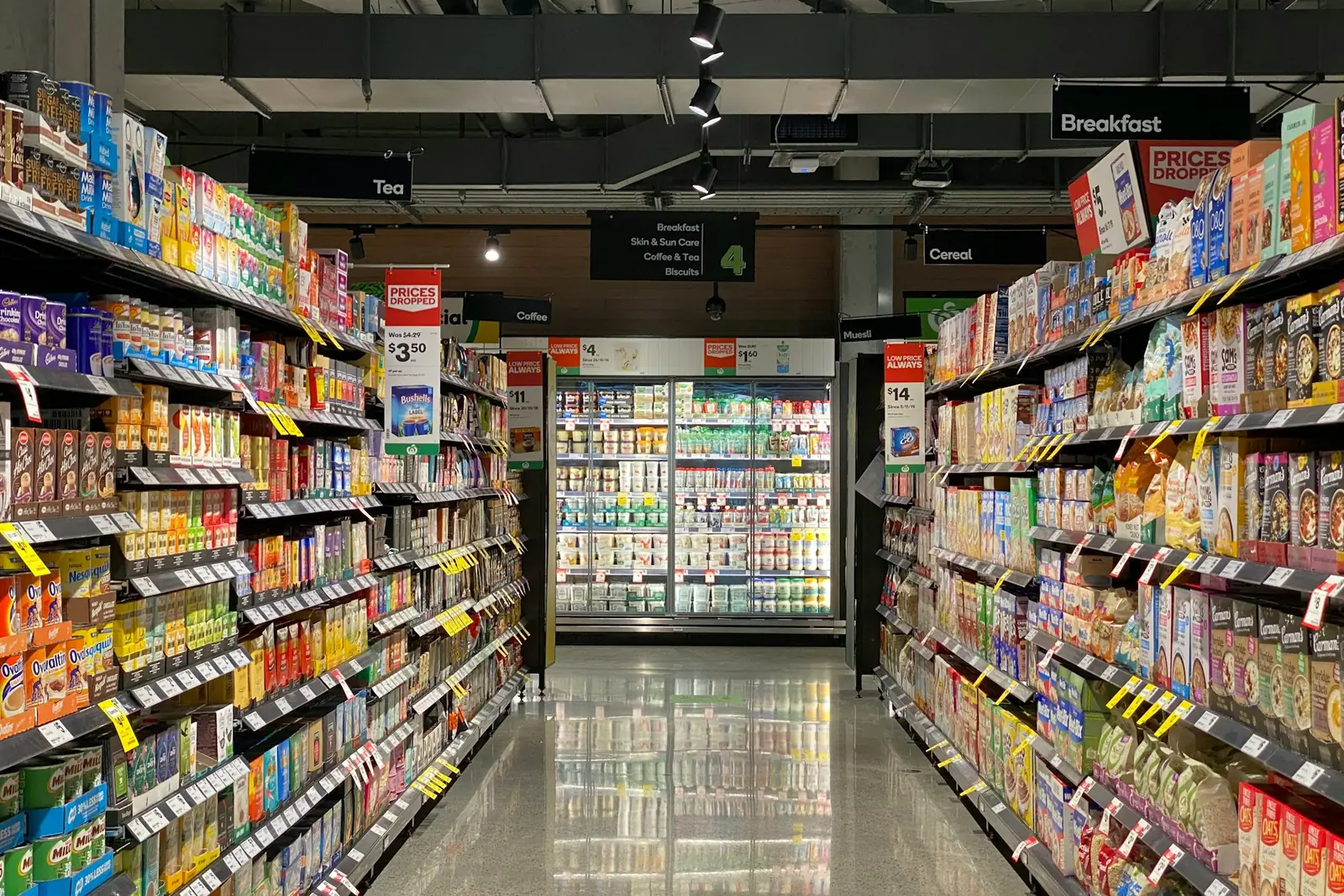
Retail stores: what your floor space really delivers.
Footfall per area, dwell time, indoor climate and energy per store, measured anonymously and continuously. baiond shows which store is drifting and why, in the words you would use on the floor.

- Electricity vs. peers +14%
- Lighting, back area 100%
- Visitors, back area 6/h
What goes wrong quietly.
A bill with no store behind it
Lighting, ventilation and the shop-front screens run to a timer, not to the customers. The energy invoice arrives a month later, one number per store, and nobody can say which hour cost what.
Air that drives people out
On a busy Saturday the sales floor gets warm and stale, and the visit gets shorter. Nobody measures it, so it counts as a normal Saturday.
Counted at the door, unknown on the floor
The door counter says how many came in. It does not say which area they walked past, where they stopped and where the queue formed. Staffing and layout decisions are made on feeling.
Questions you would ask on site.
Three situations from this industry, answered the way baiond answers: the readings, the reasons, a recommendation and the source. Tap one or type your own.
Checked Smart energy meter · Occupancy sensor · Space System How did baiond know?
- Sensor
- baiond Gateway
- Space System
- AI agent
The sensor reports to the baiond Gateway, the Space System puts the reading in context (location, threshold, history), and the AI agent turns it into an answer.
Source: Smart energy meter · Occupancy sensor · Space System
- Electricity vs. peers +14%
- Lighting, back area 100%
- Visitors, back area 6/h
Yes. Electricity consumption across the sales area is currently 14 % above the average of comparable stores. Lighting remains at 100 % in the back area, where only 6 visitors per hour have passed this morning.
Optimize the lighting schedule outside peak shopping hours: dim the back area to 60 % before 11:00 and after 17:00.
Would you like me to investigate further?
Looking closer. This is what the data shows:
Possible reasons- The lighting schedule has run at full level since 07:00, two hours before opening.
- The back area sees under a tenth of the entrance footfall on weekday mornings.
- The three comparable stores dim to 60 % outside their peak hours.
The sensor reports to the baiond Gateway, the Space System puts the reading in context (location, threshold, history), and the AI agent turns it into an answer.
- Sensor
- baiond Gateway
- Space System
- AI agent
Source: Smart energy meter · Occupancy sensor · Space System
Understood. I keep watching Store 12 · Sales floor and let you know if anything changes.
Checked Air quality sensor · People counter · baiond Gateway How did baiond know?
- Sensor
- baiond Gateway
- Space System
- AI agent
The sensor reports to the baiond Gateway, the Space System puts the reading in context (location, threshold, history), and the AI agent turns it into an answer.
Source: Air quality sensor · People counter · baiond Gateway
- CO₂ 1,450ppm
- Comfort limit ≤ 1,000ppm
- Dwell time -38%
The air. CO₂ on the first floor has reached 1,450 ppm, well above the 1,000 ppm comfort limit, and dwell time in the same zone is 38 % below a normal Saturday. Visitors are going back down earlier than usual.
Raise ventilation to stage 4 for the first floor now. Ask the building control to link the Saturday stage to the footfall from next week.
Would you like me to investigate further?
Looking closer. This is what the data shows:
Possible reasons- Footfall on the first floor has been 40 % above the Saturday average since 12:30.
- The ventilation is still on its weekday setting, stage 2 of 4.
- Outdoor temperature is 29 °C, so the doors to the terrace stayed closed.
The sensor reports to the baiond Gateway, the Space System puts the reading in context (location, threshold, history), and the AI agent turns it into an answer.
- Sensor
- baiond Gateway
- Space System
- AI agent
Source: Air quality sensor · People counter · baiond Gateway
Understood. I keep watching Store 12 · Fashion floor, 1st floor and let you know if anything changes.
Checked Occupancy sensor · People counter · AI Agents How did baiond know?
- Sensor
- baiond Gateway
- Space System
- AI agent
The sensor reports to the baiond Gateway, the Space System puts the reading in context (location, threshold, history), and the AI agent turns it into an answer.
Source: Occupancy sensor · People counter · AI Agents
- Waiting 9
- Target ≤ 4
- Arrivals, last 15 min 52
Yes. There are 9 people in the checkout zone against a target of 4, and 52 visitors entered in the last 15 minutes, twice the usual late-afternoon rate. The queue is unlikely to clear on its own before 18:00.
Open checkout 2 now. baiond will tell you when the zone is back under four people.
Would you like me to investigate further?
Looking closer. This is what the data shows:
Possible reasons- The entrance counter jumped at 17:18, right after the rain started outside.
- Dwell time on the sales floor is short today, so visitors reach the checkout quickly.
- Only one of three checkouts has been open since 16:00.
The sensor reports to the baiond Gateway, the Space System puts the reading in context (location, threshold, history), and the AI agent turns it into an answer.
- Sensor
- baiond Gateway
- Space System
- AI agent
Source: Occupancy sensor · People counter · AI Agents
Understood. I keep watching Store 07 · Checkout zone and let you know if anything changes.
Answers are generated by AI, may contain mistakes and use example values. Please don’t enter personal data. Privacy
Where the sensors sit.
Every dot is a sensor family in its typical place. Select one to see what it measures and what baiond does with it.
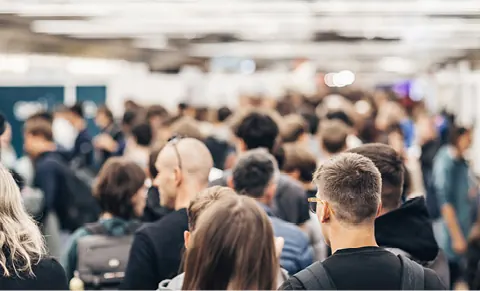
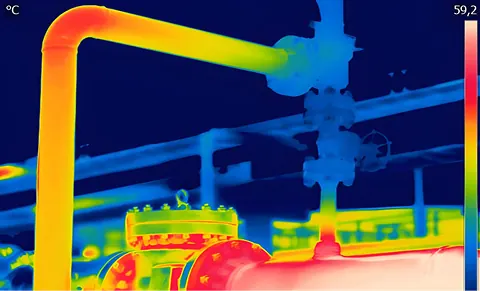
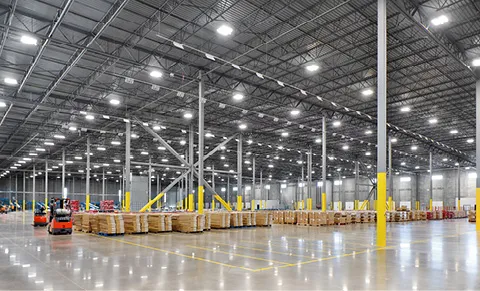
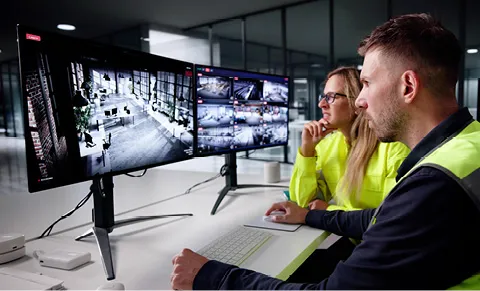
baiond connects the people counters, air quality sensors and energy meters of a store, and the cameras where you have them, on one platform. Each area of the floor becomes a place in the Space System with its own footfall, dwell time, climate and consumption. When lighting runs in an empty area or CO₂ climbs on the floor, the store manager gets a message with the reading and a recommendation. Regional managers compare stores side by side and ask baiond in plain language where the potential is today.
-
-

-

-
-
-


The same site, run differently.
One energy number per store, a month late.
Consumption per circuit and per hour, today, next to the footfall.
Lights on full in the back area all afternoon.
baiond flags the empty area and proposes the schedule.
A stale Saturday afternoon nobody noticed.
CO₂ above range at 14:10, ventilation up, dwell time back to normal.
Layout changed on a hunch, results argued about.
Footfall and dwell per area before and after. The numbers decide.
Proof
-
Hofburg Congress Center Vienna
Congresses, balls and conferences in the halls of Vienna's former imperial palace: baiond counts the guests per hall as they come and go, alerts the team at the capacity limit and documents how people move.
In use at and in partnership with


Your industry guide
One PDF for your industry: the questions baiond answers there, the sensors that measure it and what changes on site.
What managers ask before they start.
Is the footfall counting anonymous?
Yes. Infrared, thermal and radar counters see shapes, not faces, and store only counts and directions. Where video analytics are used, the analysis runs on the device and no image leaves the store.
Can I see footfall per area, not just at the door?
Yes. Each counter is assigned to a zone in the Space System: entrance, promotion area, fitting rooms, checkout. You see visitors and dwell time per zone and how they move between them.
How does baiond find energy waste in a store?
It lays consumption per circuit over footfall and opening hours. Lighting at full load in a zone with no visitors, ventilation running after close, or one store 14 % above comparable stores show up as anomalies with a recommendation.
Does baiond control the lighting itself?
By default it recommends and you decide. Where the building has KNX, DALI or BACnet, the baiond Gateway can pass the schedule to the building control, so the recommendation becomes a setting.
Can I compare all my stores?
Yes. Every store is a site with the same zones and the same readings, so a regional manager sees them side by side and asks which one is drifting this week, and why.
What does the installation involve?
Counters and climate sensors are battery-powered and wireless, and are mounted during opening hours, usually without closing the store. Energy meters clip onto the circuits in the distribution board; for an electrician that is a short job.
Related industries
Same sensors, same questions, a different floor.
-
-
-


Ready to give your data a voice?
Thirty minutes with the baiond team about your site and your questions. No slides.
Request a consultation