Space System: your world in parent-child logic
A reading only helps if you know where it comes from. The Space System puts every sensor in its place — site, building, floor, room — so you can ask about "floor 3" or "all stores in Vienna" and get an answer.

In one sentence
The Space System is baiond's model of your physical world: sites, buildings, floors, rooms and assets arranged as parent and child spaces, each with its own devices, attributes and automations.
A sensor on its own knows very little: an ID and a number. What makes the number useful is the context — that it measures meeting room 3.07, on the third floor of the north building, at your Vienna site.
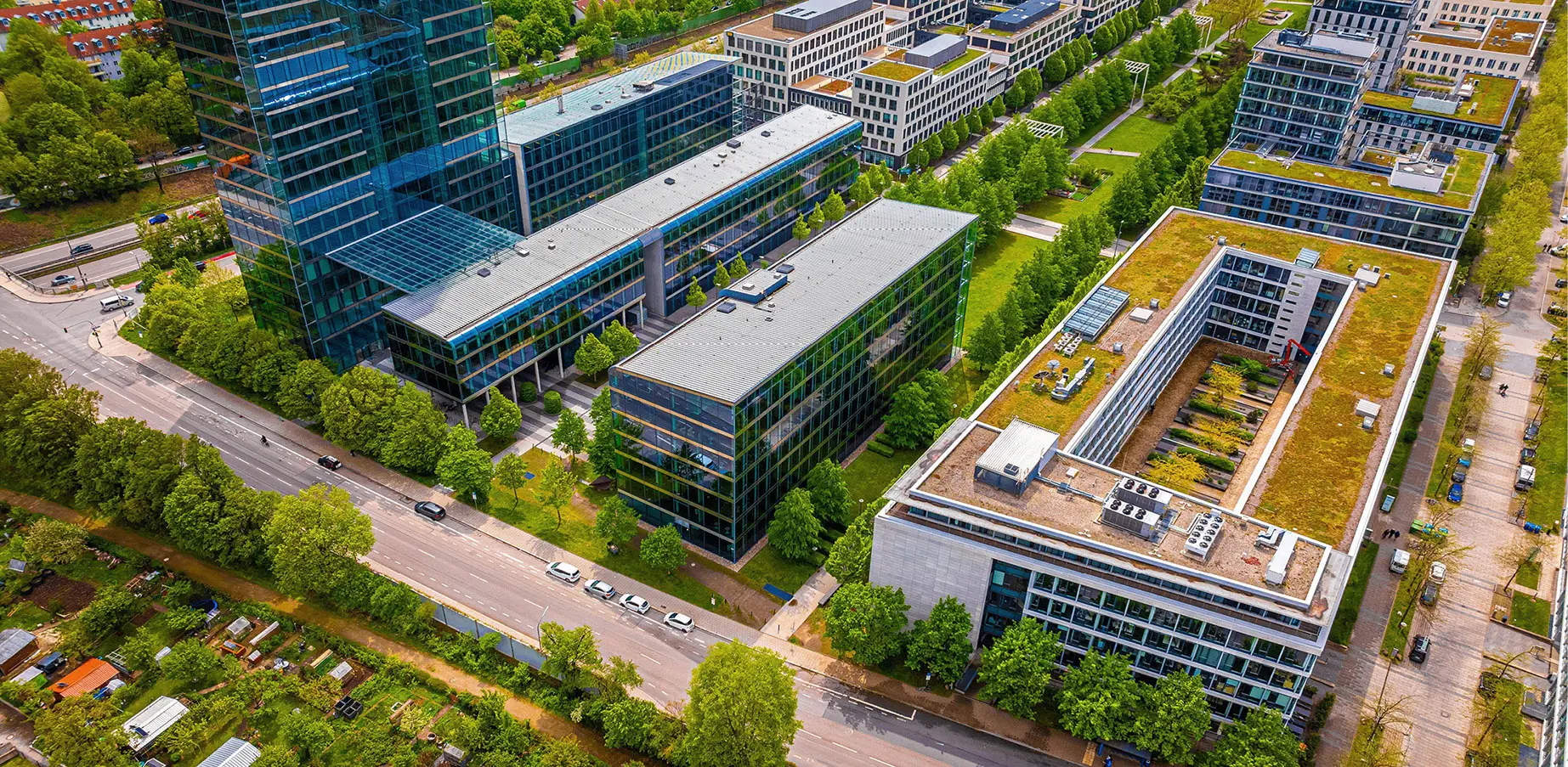
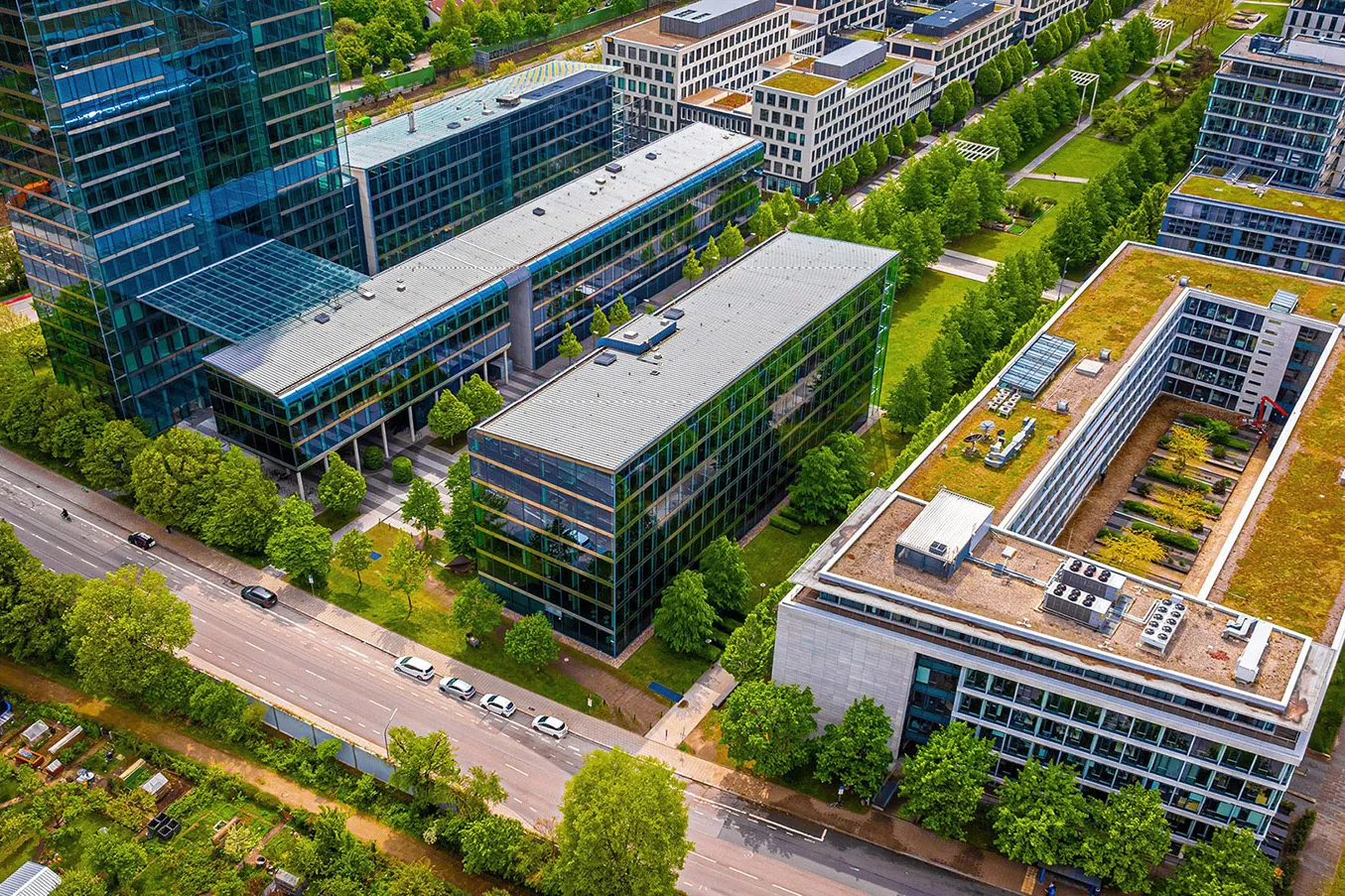
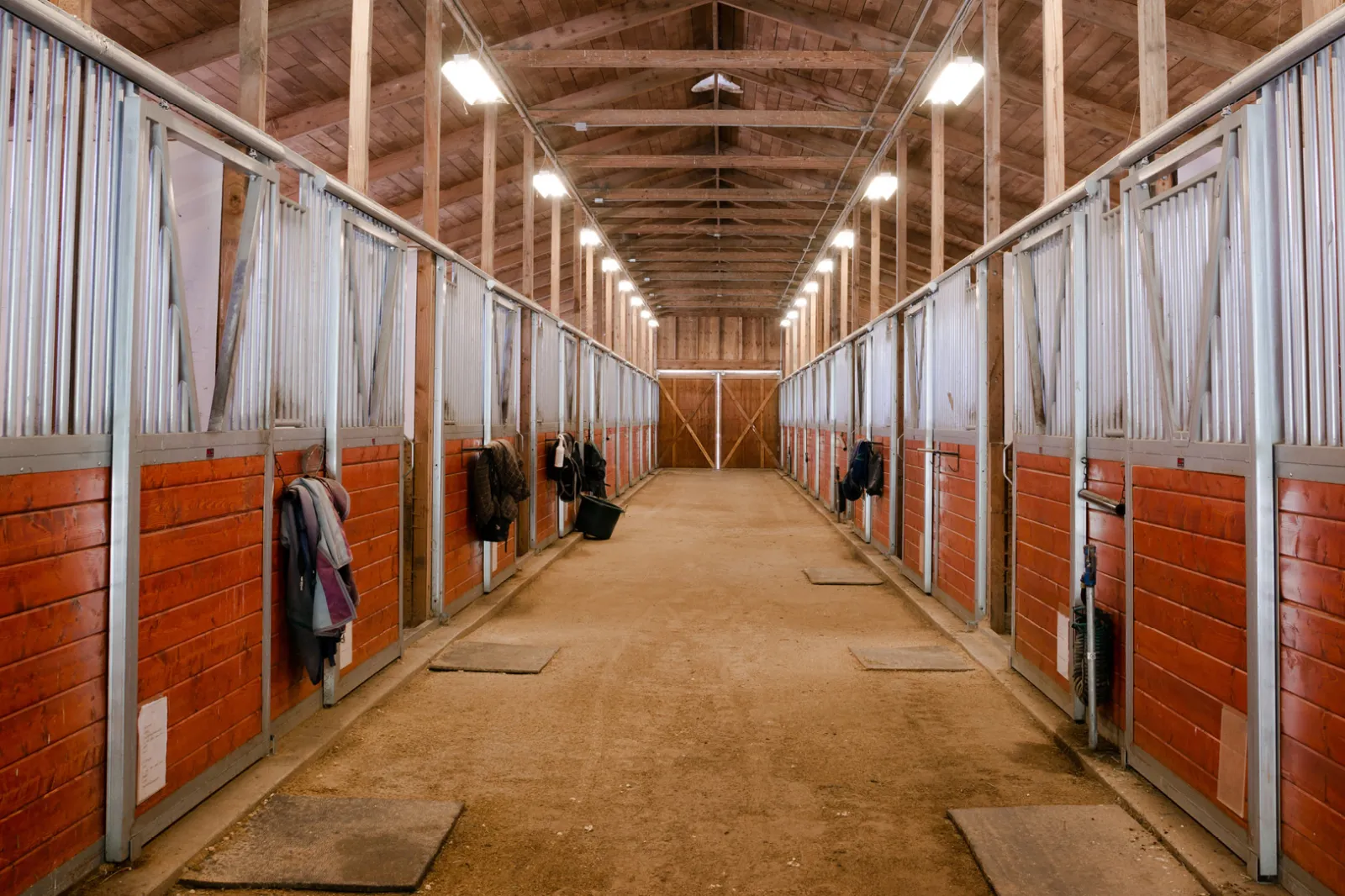
The Space System stores exactly that. You describe your world once as nested spaces: a city holds districts, a district holds objects; a campus holds buildings, floors and rooms; a stable holds stalls and animals. Each space carries its devices, its attributes — floor area, usage, opening hours — and its rules.
Because the structure is shared, everything else follows it. A dashboard for one floor, an alert for a whole building, a question to the AI agents about every store in a region: baiond knows which devices belong to the answer.
What changes for you.
-
Ask by place, not by device ID
"Which rooms on floor 3 are too warm?" works because every sensor knows its room, floor and building.
-
Set a rule once, apply it everywhere
A limit or an automation set on a building applies to every room below it, including the ones you add next year.
-
Compare like with like
Attributes such as floor area or usage make sites comparable: energy per square metre, occupancy per meeting room, store against store.
See it answer.
A question only this function makes answerable, answered the way baiond answers: readings, reasons, a recommendation and the source.
Checked Presence sensors · room booking · heating (BACnet) · Space System How did baiond know?
- Sensor
- baiond Gateway
- Space System
- AI agent
The sensor reports to the baiond Gateway, the Space System puts the reading in context (location, threshold, history), and the AI agent turns it into an answer.
Source: Presence sensors · room booking · heating (BACnet) · Space System
- Heated, empty 4
- Setpoint 21°C
- Rooms on floor 15
Four of 15 rooms. Meeting rooms 3.04, 3.07, 3.12 and 3.15 are held at 21 °C but have shown no presence for 3 h or longer, and none of them is booked before 14:00.
Lower the four rooms to 17 °C until 13:30 and let the setpoint follow bookings on this floor from now on.
Shall I set that up for the whole floor?
Looking closer. This is what the data shows:
Possible reasons- Presence sensors in 3.04, 3.07, 3.12 and 3.15 report no occupancy since 07:00
- The floor's heating schedule runs all rooms at 21 °C from 06:30
- Room bookings show the first meeting at 14:00
The sensor reports to the baiond Gateway, the Space System puts the reading in context (location, threshold, history), and the AI agent turns it into an answer.
- Sensor
- baiond Gateway
- Space System
- AI agent
Source: Presence sensors · room booking · heating (BACnet) · Space System
Understood. I keep watching North building · Floor 3 and let you know if anything changes.
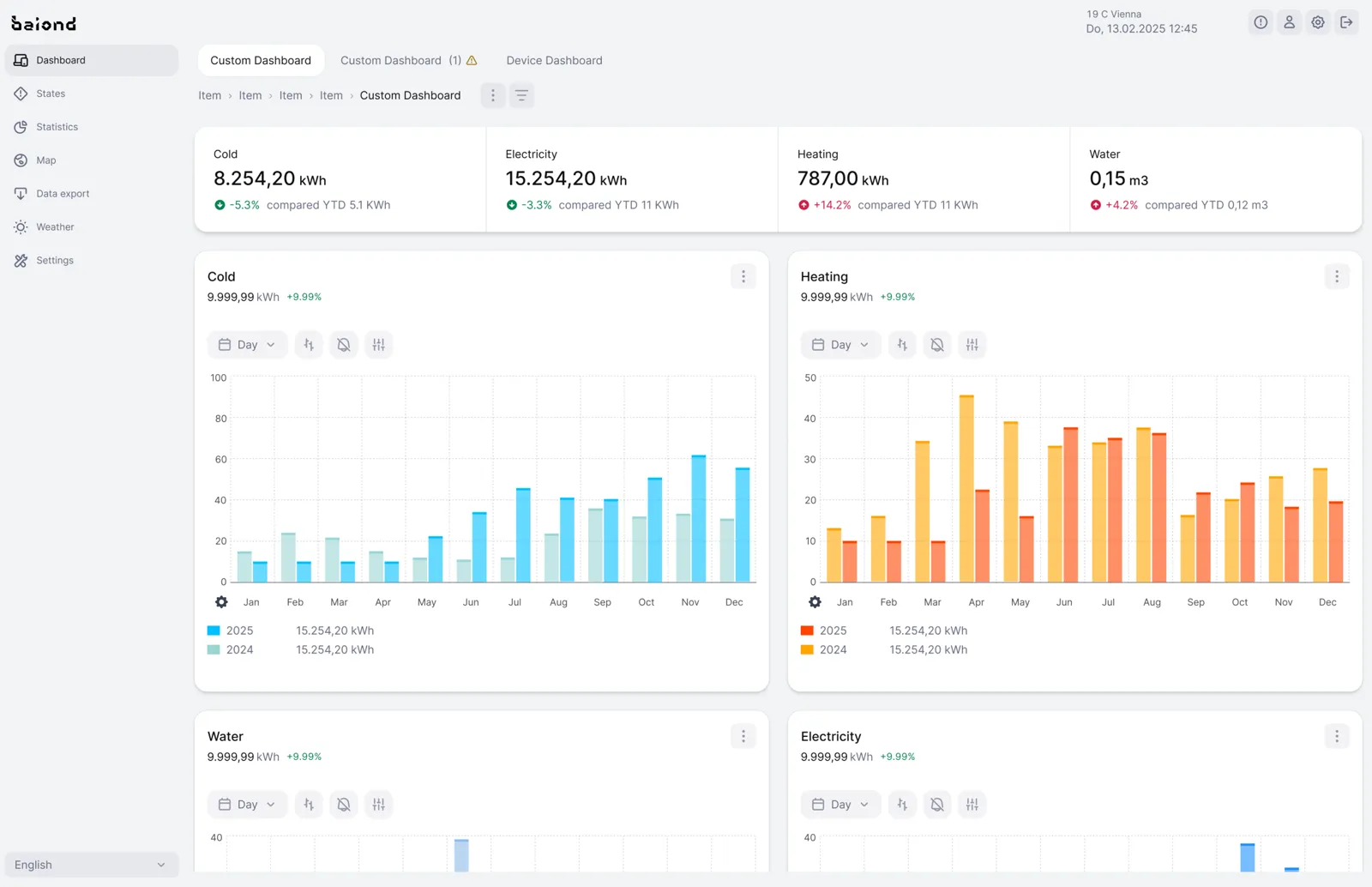
For technical readers
Protocols, data model and integration, for the colleague who signs off on the architecture.
Structure
Spaces form a tree of parent and child nodes of any depth. Typical levels: portfolio → site → building → floor → room → asset. Other domains use their own levels — city → district → object, or stable → stall → animal.
Attributes
Each space carries typed attributes (floor area, usage type, opening hours, capacity, target values) that dashboards, calculations and the AI agents can use.
Devices
Every data point from the baiond Gateway is assigned to exactly one space. Moving a device to another room keeps its history intact.
Rules & access
- Alerts and automations defined on a space apply to its children
- User rights can be limited to a space and everything below it
- Aggregations (sum, average, maximum) roll up the tree
One station in the data flow.
Related industries
Where this function carries the answer.
-
-
-

-


Related sensors
The sensor families that feed it most often.



Ready to give your data a voice?
Thirty minutes with the baiond team about your site and your questions. No slides.
Request a consultation